
A sleep apnea test helps confirm what is actually happening during sleep, so they can stop guessing and start treating the real cause.
What is sleep apnea, and why does it matter?
Sleep apnea is a condition where breathing repeatedly slows or stops during sleep, and a sleep apnea test Adelaide clinic can help determine whether these breathing interruptions are occurring. It matters because poor oxygen levels and fragmented sleep can affect mood, energy, safety, and long-term health.
The most common type is obstructive sleep apnea (OSA), where the airway narrows or collapses. Another type is central sleep apnea, which involves the brain’s breathing signals. Many people only discover it after symptoms start affecting work, relationships, or driving.
Which symptoms shouldn’t be ignored?
The biggest red flag is loud, frequent snoring paired with pauses in breathing. If someone else notices choking, gasping, or long quiet gaps during sleep, it is worth taking seriously.
Other symptoms that should not be brushed off include waking with a dry mouth, morning headaches, restless sleep, or waking up multiple times to urinate. During the day, they may feel exhausted, struggle to focus, or feel unusually irritable even after a full night in bed.
How can they tell if snoring is “just snoring” or something more?
Snoring alone does not always mean sleep apnea, but patterns matter. If snoring is loud, happens most nights, and is linked with breathing pauses, it becomes more concerning.
Daytime effects are often the difference-maker. If they regularly feel unrefreshed, doze off easily, or rely heavily on caffeine, snoring may be a symptom of disrupted breathing. When in doubt, testing is usually simpler than expected and gives clearer answers than self-diagnosis.
What daytime signs suggest sleep apnea is affecting their life?
Daytime sleepiness is one of the most common clues, especially if they nod off while watching TV, reading, commuting, or sitting in meetings. It can also show up as poor concentration, forgetfulness, or feeling “foggy” through the morning.
Some people experience low mood or anxiety that seems out of proportion to life circumstances. Others notice reduced motivation, lower productivity, or more mistakes at work. If they feel tired despite enough time in bed, a sleep apnea test may be appropriate.
Who in Adelaide is at higher risk of sleep apnea?
Risk increases with factors that narrow the airway or change breathing control. This often includes being overweight, having a larger neck circumference, nasal congestion, or certain jaw or throat anatomy.
They may also be at higher risk if they drink alcohol in the evening, smoke, or regularly use sedating medications. Sleep apnea is also more common with increasing age and in people with a family history of the condition. Importantly, it can still occur in people who are not overweight, so symptoms should guide decisions, not stereotypes.
When should they consider a sleep apnea test in Adelaide?
They should consider testing if symptoms occur most weeks, especially if someone has witnessed breathing pauses or choking during sleep. Testing is also worth considering if daytime sleepiness is affecting driving, work performance, or mental health.
People with high blood pressure, atrial fibrillation, type 2 diabetes, or reflux may also be advised to test, because sleep apnea can worsen or complicate these conditions. If they are unsure, a GP can assess symptoms and recommend the most suitable testing pathway.
What happens during a sleep apnea test?
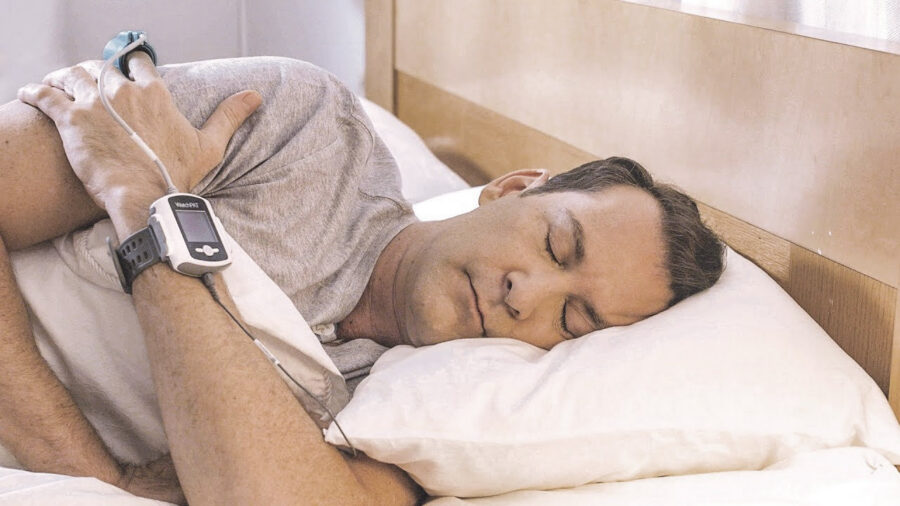
A sleep apnea test records breathing and sleep-related signals to measure how often breathing is disrupted. Many people can complete testing at home using portable monitoring equipment, depending on their symptoms and clinical history.
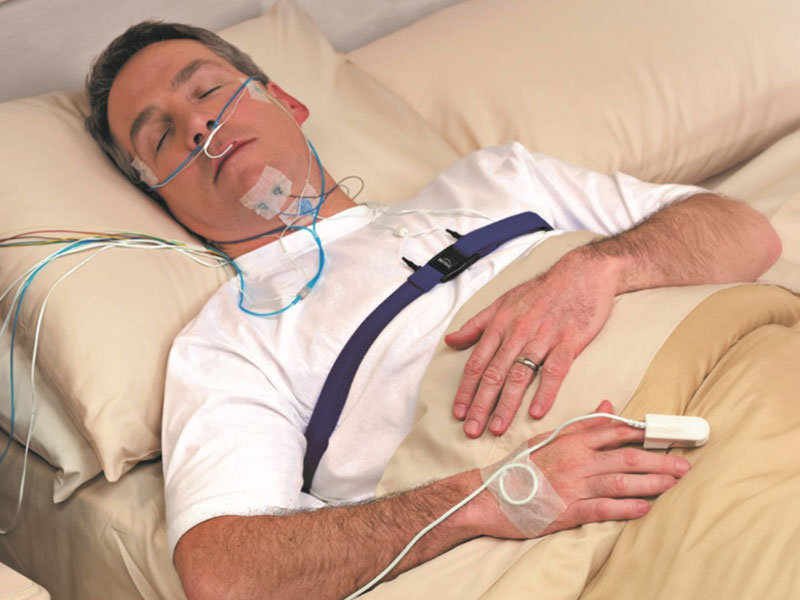
The test typically tracks airflow, breathing effort, oxygen levels, heart rate, and body position. Results are used to calculate the severity of sleep apnea and guide treatment options. The goal is to move from vague symptoms to measurable data that supports a clear plan. Click here to get about sleep study Melbourne Cost: is it worth going private?
What can happen if sleep apnea is left untreated?
Untreated sleep apnea can increase the risk of accidents due to fatigue, particularly while driving. Over time, repeated oxygen drops and sleep disruption can strain the cardiovascular system.
It is commonly linked with high blood pressure and may contribute to heart rhythm issues in some people. It can also worsen mood, reduce quality of life, and create relationship stress due to loud snoring. Testing matters because treatment can significantly improve daily functioning, not just “sleep quality.”
What should they do next if symptoms sound familiar?
They should start by noting their symptoms, including snoring frequency, witnessed breathing pauses, morning headaches, and daytime sleepiness. If a partner or family member has observations, those details can be helpful.
Next, they can speak with a GP or a sleep health provider in Adelaide about whether a sleep apnea test is appropriate. Getting tested is often the fastest way to stop guessing and start improving sleep, energy, and long-term health.
FAQs (Frequently Asked Questions)
What is sleep apnea and why is it important to diagnose it?
Sleep apnea is a condition where breathing repeatedly slows or stops during sleep, leading to poor oxygen levels and fragmented sleep. It matters because it can affect mood, energy, safety, and long-term health, making diagnosis crucial for effective treatment.
What are the key symptoms of sleep apnea that should not be ignored?
Key symptoms include loud, frequent snoring paired with pauses in breathing, choking or gasping during sleep, waking with a dry mouth or headaches, restless sleep, frequent urination at night, daytime exhaustion, difficulty focusing, and unusual irritability despite adequate rest.
How can I tell if my snoring indicates sleep apnea or is just normal snoring?
Snoring alone doesn’t always mean sleep apnea. However, if your snoring is loud, occurs most nights, is linked with breathing pauses, and causes daytime effects like feeling unrefreshed or excessive sleepiness, it may indicate disrupted breathing requiring further evaluation.

Who in Adelaide is at higher risk of developing sleep apnea?
Higher risk factors include being overweight, having a larger neck circumference, nasal congestion, certain jaw or throat anatomy, alcohol use in the evening, smoking, sedating medications, increasing age, and family history. Sleep apnea can also occur in people who are not overweight.
When should someone consider getting a sleep apnea test in Adelaide?
Consider testing if symptoms like loud snoring and witnessed breathing pauses occur most weeks or if daytime sleepiness affects driving, work performance, or mental health. People with high blood pressure, atrial fibrillation, type 2 diabetes, or reflux should also consider testing. Consulting a GP can help determine the need for testing.
What does a sleep apnea test involve and how does it help?
A sleep apnea test records breathing and sleep-related signals such as airflow, breathing effort, oxygen levels, heart rate, and body position to measure breathing disruptions during sleep. Many tests can be done at home using portable equipment. Results determine the severity of sleep apnea and guide effective treatment plans.