
The key is knowing when symptoms have crossed the line from “normal stress” into something worth checking.
When is it time to consider a sleep test in Canberra?
It is time to consider a sleep test Canberra when sleep problems are frequent, persistent, or affecting safety, health, or daily function. If their sleep issues have lasted weeks to months, or if others notice worrying signs like breathing pauses, a test is often the fastest way to get clarity.
If they are relying on caffeine to stay functional, regularly falling asleep unintentionally, or waking unrefreshed despite “enough” hours in bed, those are strong cues.
What symptoms suggest obstructive sleep apnoea?
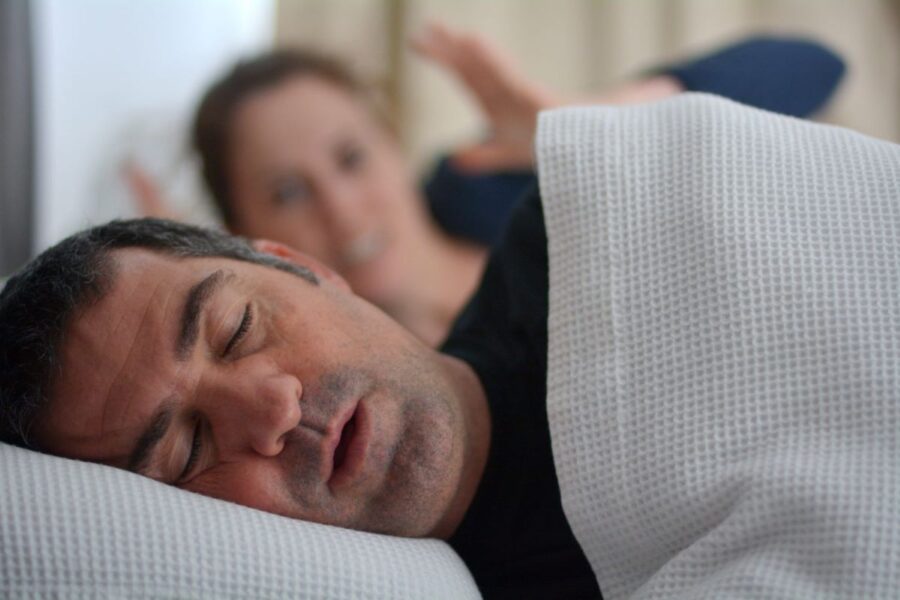
Obstructive sleep apnoea is often flagged by loud snoring, choking or gasping during sleep, and witnessed breathing pauses. Many people with apnoea also wake with a dry mouth, morning headaches, or feel unusually foggy and irritable.
Daytime sleepiness is a major clue. If they struggle to stay awake in meetings, while reading, or as a passenger in a car, apnoea should be ruled out.
What warning signs mean they should get checked sooner rather than later?
They should seek assessment sooner if there are safety risks or significant health impacts. Falling asleep at the wheel, near-misses while driving, or dozing off at work in hazardous settings are urgent red flags.
It is also a higher priority if they have high blood pressure, atrial fibrillation, type 2 diabetes, obesity, or a history of stroke, because untreated sleep apnoea can worsen these conditions.
How can someone tell the difference between tiredness and a sleep disorder?
General tiredness often improves with consistent sleep routines, reduced alcohol, and stress management. A sleep disorder tends to persist even when they “do the right things”, and it often comes with patterns like repeated night waking, breathing disturbances, or extreme sleepiness at predictable times.
If they regularly sleep 7 to 9 hours but still wake exhausted, that mismatch is a common reason clinicians recommend testing.
What types of sleep tests are available in Canberra?
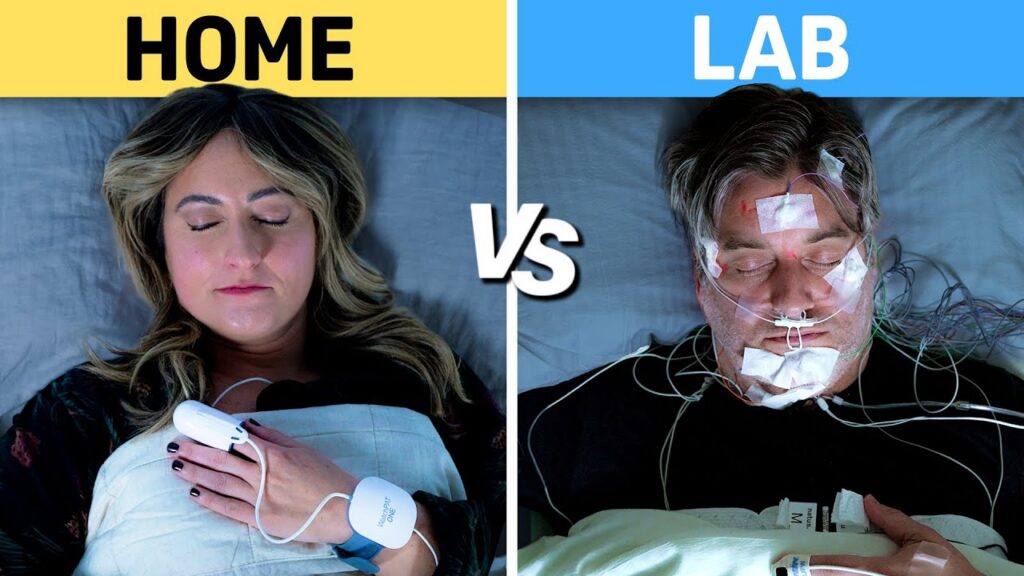
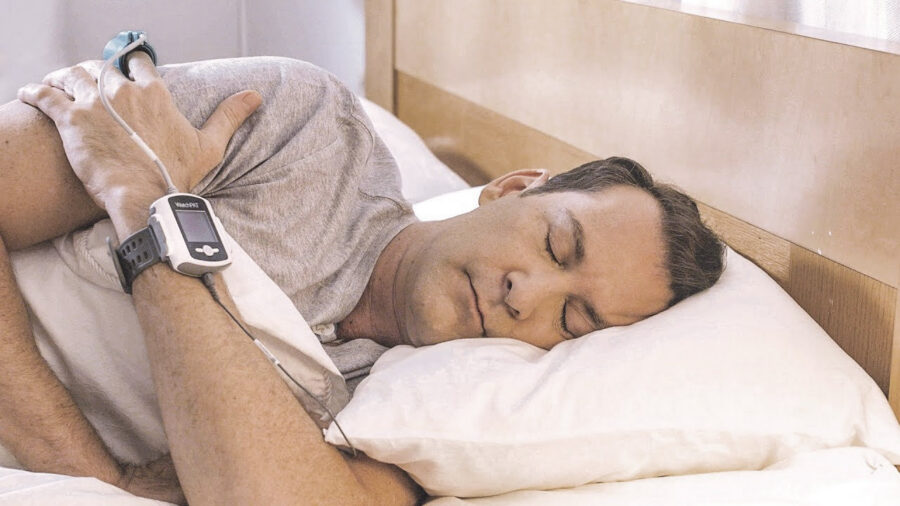
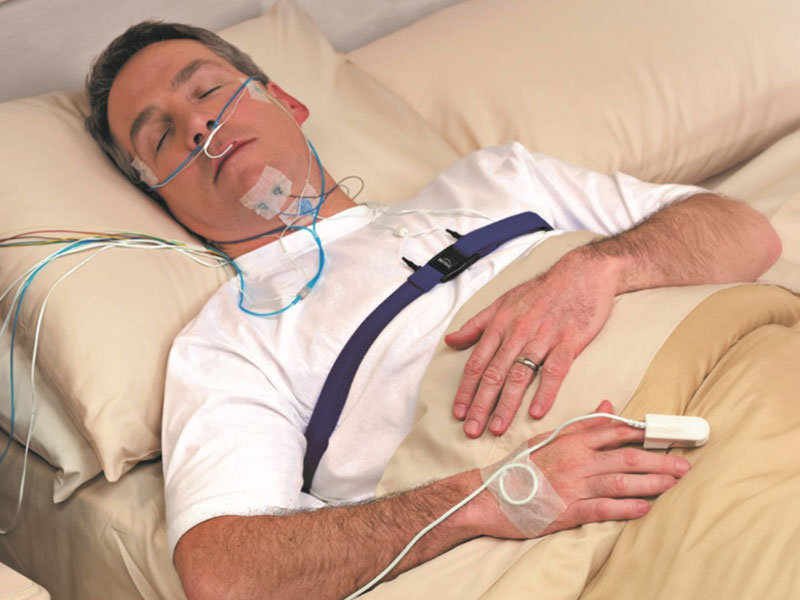
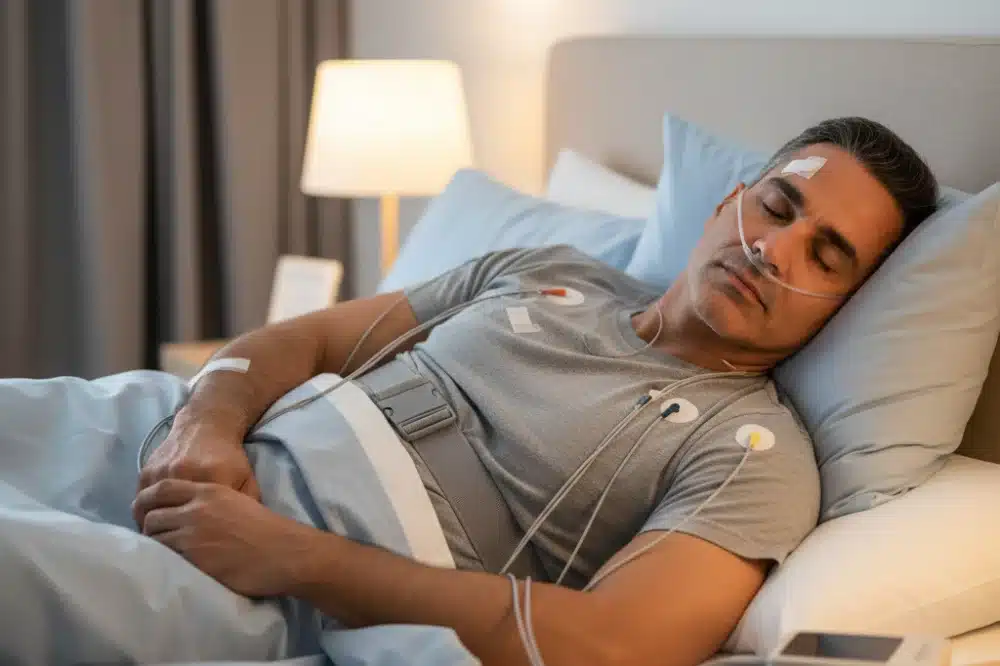
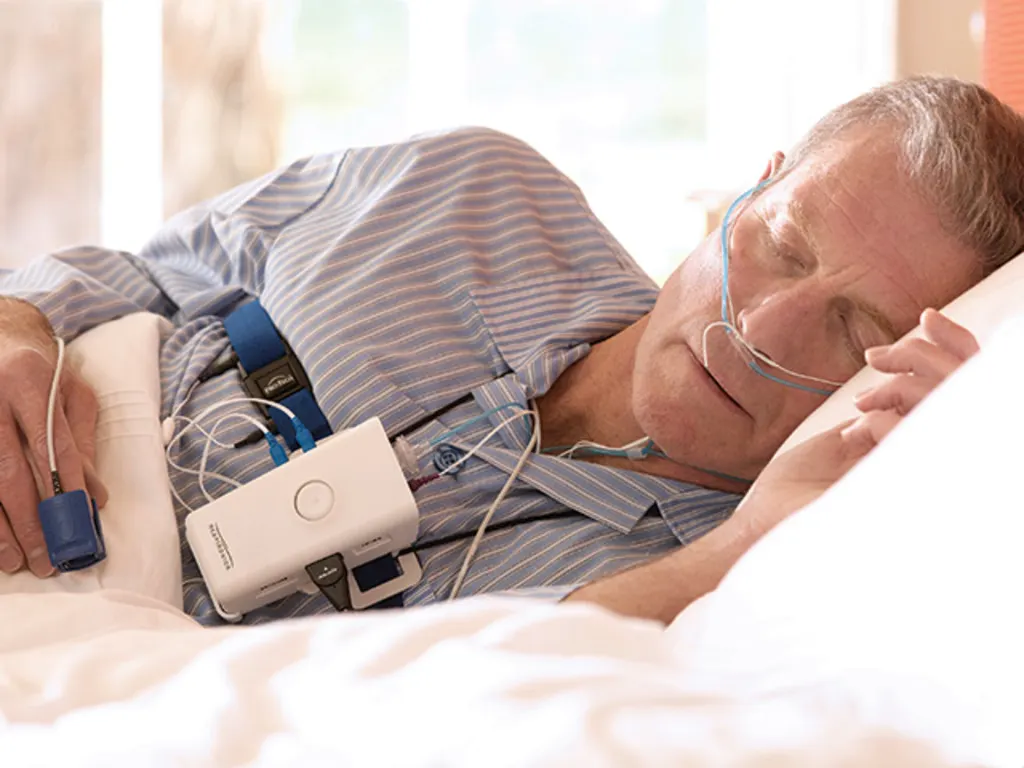
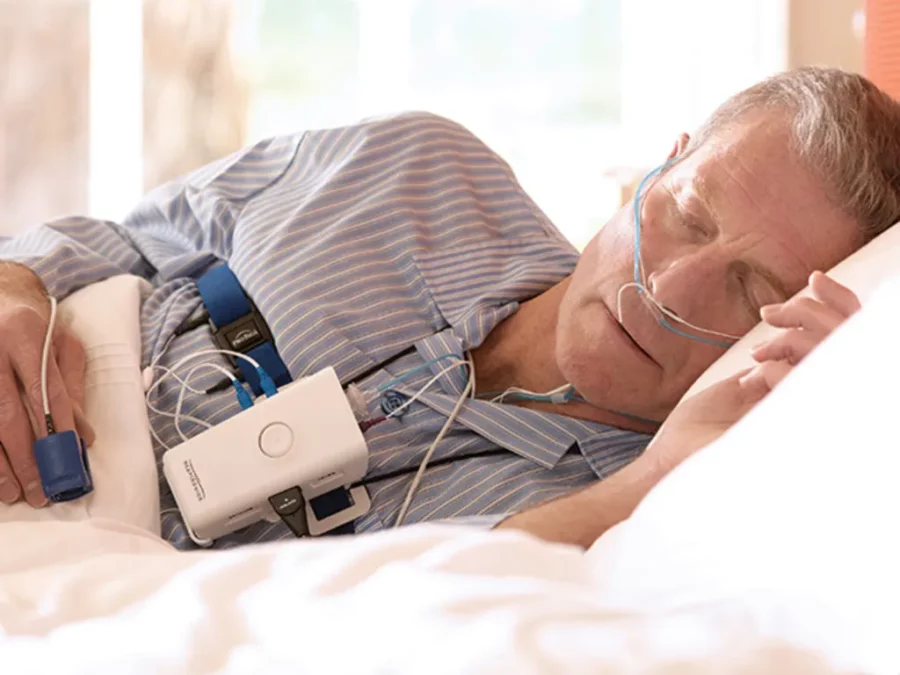
Most people will be offered either a home sleep study or an in-lab sleep study (polysomnography). Home studies are commonly used to investigate suspected obstructive sleep apnoea and are done in their own bed with monitoring equipment.
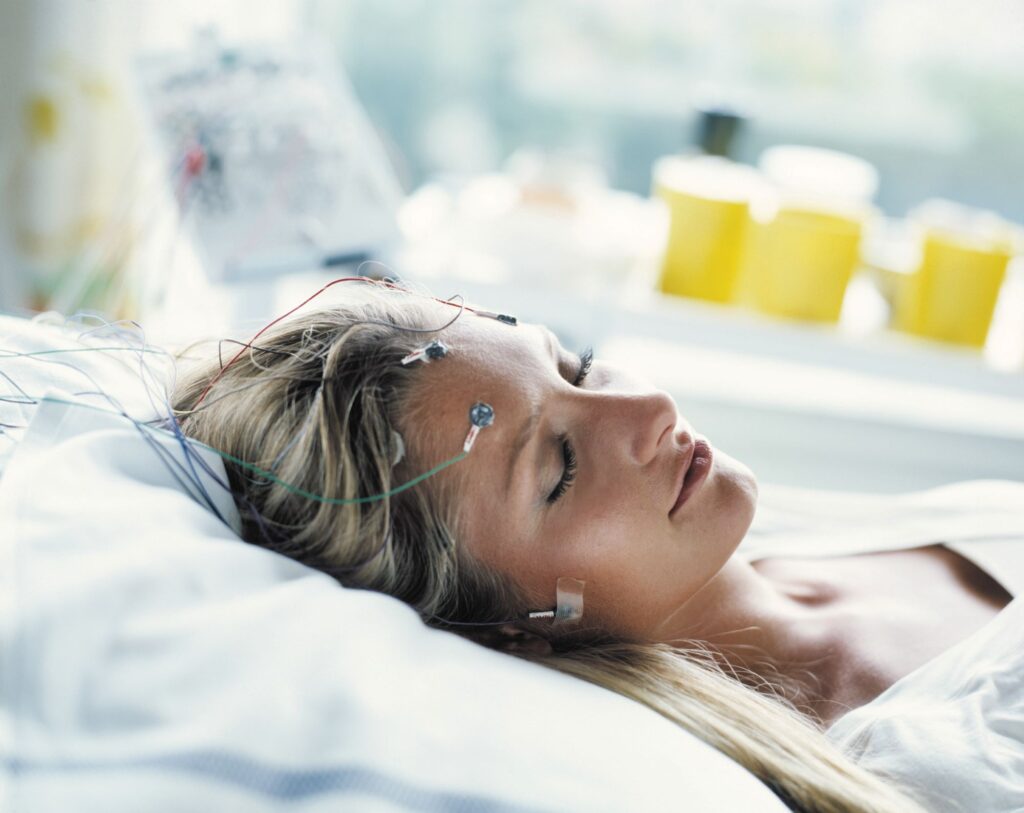
In-lab studies are more comprehensive. They are typically used when symptoms are complex, when home testing is inconclusive, or when conditions beyond straightforward apnoea are suspected.
How does a home sleep test work, and who is it best for?
A home sleep test usually measures breathing airflow, oxygen levels, heart rate, and breathing effort while they sleep. It is best for people with a strong likelihood of moderate to severe obstructive sleep apnoea and no major complicating medical or neurological issues.
An in-lab sleep study monitors brain activity, breathing, oxygen levels, heart rhythm, muscle movements, and sometimes carbon dioxide levels. This helps clinicians map sleep stages and identify events such as apnoeas, limb movements, or abnormal behaviours.
It can feel unfamiliar, but the goal is not “perfect sleep”. Even a partial night often provides enough data to guide diagnosis and treatment.
Can they get a sleep test without a GP referral?
This depends on the provider and the type of testing. Many services prefer a GP referral because it helps match the right test to the right symptoms and supports Medicare-eligible pathways where applicable.
If they are unsure, they can contact a local Canberra sleep clinic and ask what is required, what the costs are, and how results are reviewed.
What should they track before booking a sleep assessment?
They should track snoring frequency, witnessed breathing pauses, morning symptoms, and daytime sleepiness. If possible, they can note bedtimes, wake times, alcohol intake, and how often they wake during the night.
If a partner has observations, those are valuable. Short videos of snoring or gasping can also help clinicians understand severity and decide on the most appropriate test.
What happens after the results come back?
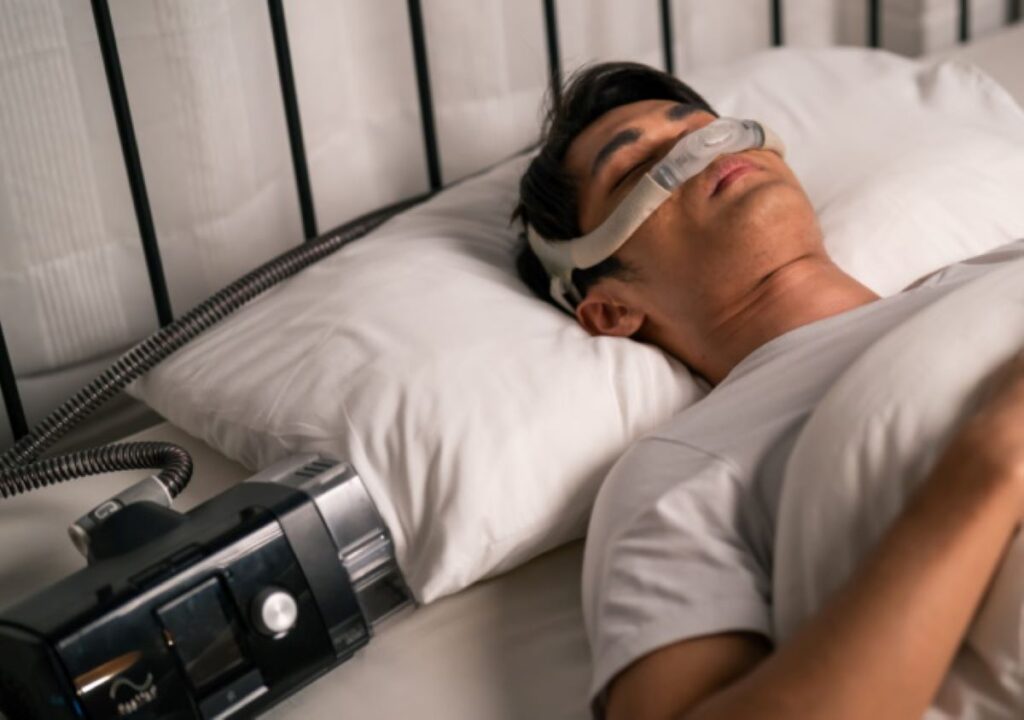
After results come back, the next step depends on the diagnosis and severity. If obstructive sleep apnoea is confirmed, treatment options may include CPAP therapy, oral appliances, positional therapy, weight management support, or referral for ENT assessment in selected cases.
If insomnia or another condition is identified, they may be guided towards CBT-I (cognitive behavioural therapy for insomnia), medication review, mental health support, or further specialist assessment. The point of testing is not just a label, but a plan that actually improves sleep and daytime function.
When should someone consider undergoing a sleep test in Canberra?
It is time to consider a sleep test when sleep problems are frequent, persistent, or impacting safety, health, or daily function. Signs include ongoing issues lasting weeks to months, reliance on caffeine to stay awake, regular unintentional sleep episodes, or waking unrefreshed despite sufficient sleep hours.
What are the common symptoms that suggest obstructive sleep apnoea?
Obstructive sleep apnoea is often indicated by loud snoring, choking or gasping during sleep, witnessed breathing pauses, waking with a dry mouth or morning headaches, and experiencing daytime sleepiness such as struggling to stay awake during meetings or as a passenger in a car.
What warning signs indicate the need for urgent sleep assessment?
Urgent assessment is needed if there are safety risks like falling asleep at the wheel or near-misses while driving, dozing off at work in hazardous environments, or if the individual has high blood pressure, atrial fibrillation, type 2 diabetes, obesity, or a history of stroke due to the risk of worsening these conditions with untreated sleep apnoea.
How can one differentiate between general tiredness and a sleep disorder?
General tiredness usually improves with consistent sleep routines and stress management. A sleep disorder persists despite these efforts and often includes repeated night waking, breathing disturbances during sleep, or extreme daytime sleepiness even after 7 to 9 hours of rest.
What types of sleep tests are available in Canberra and who are they suitable for?
In Canberra, home sleep studies and in-lab polysomnography are available. Home tests monitor breathing and oxygen levels and suit those likely to have moderate to severe obstructive sleep apnoea without complex medical issues. In-lab studies are more comprehensive and used for complex symptoms or inconclusive home tests.
What happens after receiving results from a sleep test?
Post-results, treatment depends on diagnosis severity. For obstructive sleep apnoea, options include CPAP therapy, oral appliances, positional therapy, weight management support, or ENT referrals. For insomnia or other conditions, cognitive behavioural therapy for insomnia (CBT-I), medication review, mental health support, or further specialist assessment may be recommended to improve overall sleep quality and daytime function.
For many, the appeal is straightforward: they can be tested in their own bed, on their own schedule, with far less disruption to work and family life.
What is a home sleep study in Hobart?
A home sleep study Hobart is a take-home test that measures breathing and other signals overnight to check for sleep-disordered breathing, most commonly obstructive sleep apnoea (OSA). It typically involves a small portable monitor and a few sensors worn while sleeping.
In Hobart, these studies are usually arranged through a GP referral, a sleep physician, or a local sleep clinic that supplies the equipment and interprets the results.
Who is a home sleep study designed for?
It is usually best suited to people with a moderate to high likelihood of obstructive sleep apnoea. Common signs include loud snoring, witnessed pauses in breathing, choking or gasping at night, morning headaches, and excessive sleepiness during the day.
If someone has complex medical conditions or symptoms suggesting a different sleep disorder, a clinician may recommend an in-lab study instead.
How does home testing compare with a sleep lab?
Home testing focuses mainly on breathing-related sleep issues, while a lab study can measure a wider range of signals and sleep stages. The trade-off is convenience: home studies are far easier to fit into everyday life, and many people sleep more naturally in their own environment.
A lab study may be preferable when the diagnosis is unclear, when prior home results are inconclusive, or when other disorders are suspected.
What does the equipment measure at home?
Most home sleep study devices measure airflow, breathing effort, blood oxygen levels, and heart rate. Some setups also include snore microphones or position sensors to show whether symptoms worsen when someone sleeps on their back.
They do not usually measure brain waves in the way a full lab study does, which is why they are primarily used for suspected OSA rather than broader sleep investigations.
They take the kit home, apply the sensors as instructed, then sleep as normally as possible. The device records overnight, and the equipment is returned the next day or soon after, depending on the provider.
Clear instructions matter. If sensors fall off or the recording fails, the test may need repeating, so providers typically offer support to help people set it up correctly.
How are results explained, and what do they mean?
A clinician reviews the recording and looks for breathing disruptions and oxygen drops that match sleep apnoea patterns. Results are often summarised using an index that reflects how frequently events occur per hour.
If the study suggests sleep apnoea, the report usually indicates severity and may include recommended next steps, such as treatment trials or further assessment.
What are the next steps if the study suggests sleep apnoea?
Most people move to a discussion about treatment options, guided by symptom severity and overall health. Common approaches include CPAP therapy, oral appliances fitted by a qualified dental provider, and lifestyle measures such as weight management or reducing alcohol close to bedtime.
If results are borderline or inconsistent with symptoms, a clinician may suggest repeat testing or an in-lab study to clarify the picture.
When might an in-lab study still be the better choice?
A lab test can be more appropriate when there is suspicion of conditions beyond obstructive sleep apnoea, such as certain movement disorders, parasomnias, or central sleep apnoea. It may also be recommended for people with significant heart or lung disease, or when home testing does not capture usable data.
In short, home testing is a strong first step for many, but not the only pathway.
How can someone in Hobart access a home sleep study?
They can start with a GP appointment to discuss symptoms and risk factors. From there, a referral to a sleep clinic or sleep physician may be arranged, or a provider may offer a home study pathway directly depending on local services and clinical suitability.
It helps if they bring specifics: snoring history, witnessed apnoeas, daytime sleepiness, blood pressure history, and any relevant medications. Click here to get more about Sleep Test Canberra: When Should You Get Checked?
How can they prepare to get the most accurate result?
They should aim for a typical night of sleep rather than an “ideal” one. That means following a normal routine, avoiding unusual naps, and noting anything that could affect sleep such as alcohol intake, illness, or congestion.
If they normally sleep on their side or use a particular pillow, they should keep that consistent because the goal is to capture a representative night.
What makes home sleep studies appealing for busy households?
They reduce the logistical friction that often stops people getting tested at all. There is no overnight hospital stay, no unfamiliar bed, and usually less waiting for an appointment time that suits work and family responsibilities.
For many in Hobart, that simplicity is the point. A home sleep study offers a realistic, accessible way to confirm whether sleep apnoea is involved so they can move from guessing to treating.
FAQs (Frequently Asked Questions)
What is a home sleep study in Hobart and how does it work?
A home sleep study in Hobart is a convenient, take-home test that monitors breathing and other signals overnight to detect sleep-disordered breathing, primarily obstructive sleep apnoea (OSA). It involves wearing a small portable monitor with sensors while sleeping in your own bed, allowing for testing without hospital disruption.
Who should consider undergoing a home sleep study for suspected sleep apnoea?
Home sleep studies are best suited for individuals with moderate to high likelihood of obstructive sleep apnoea, indicated by symptoms like loud snoring, witnessed breathing pauses, choking or gasping at night, morning headaches, and daytime fatigue. Those with complex medical issues may require in-lab studies instead.
How does a home sleep study compare to an in-lab sleep study?
While home sleep studies focus mainly on breathing-related issues such as OSA and offer greater convenience by allowing testing at home, in-lab studies measure a broader range of signals including brain waves and sleep stages. Lab studies are preferred when diagnoses are unclear or other disorders are suspected.
What types of data do home sleep study devices measure during the night?
Home sleep study equipment typically records airflow, breathing effort, blood oxygen levels, and heart rate. Some devices also include snore microphones and position sensors to assess symptom variations based on sleeping posture. However, they generally do not record brain wave activity like full lab studies.
What should I expect during the night of a home sleep study?
You will take the testing kit home and apply the sensors as instructed before going to bed. The device records your breathing patterns overnight while you try to maintain your normal sleeping routine. Afterward, you return the equipment for analysis. Support is usually provided to ensure proper setup and accurate results.
How can someone in Hobart access a home sleep study and prepare for it effectively?
Begin by consulting your GP to discuss your symptoms and risk factors for sleep apnoea; they can provide referrals to local sleep clinics or physicians who offer home study services. To prepare, maintain your usual bedtime routine, avoid unusual naps or alcohol before bed, and use your regular pillows or sleeping positions to ensure representative results.
What Is the Philips EverFlo Oxygen Concentrator, and Why Is Maintenance Important?
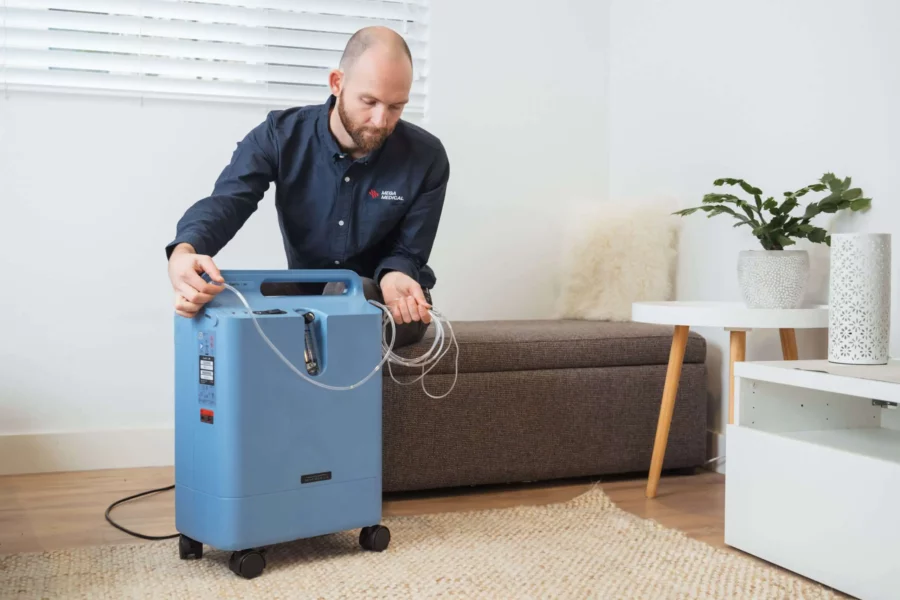
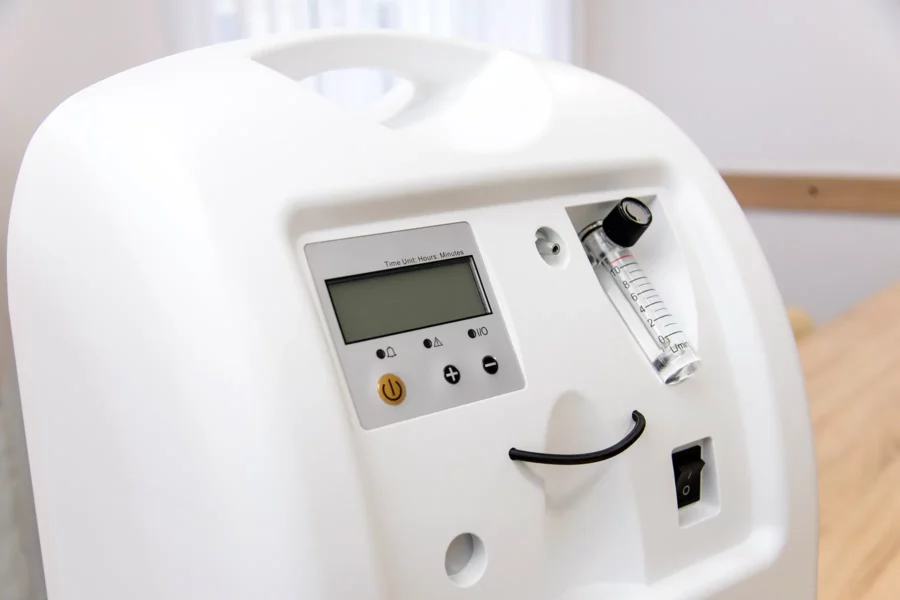
The Philips EverFlo Oxygen Concentrator is a stationary medical device designed to deliver continuous oxygen therapy to patients requiring supplemental oxygen. This reliable unit extracts oxygen from ambient air and concentrates it for therapeutic use, making it an essential tool for individuals managing respiratory conditions.
Regular maintenance and cleaning of your everflo oxygen concentratorare crucial for its performance and lifespan. If these tasks are neglected, you may experience reduced oxygen output, increased energy consumption, or even system failures. By properly caring for your device, you can ensure consistent and safe oxygen therapy while avoiding costly repairs or premature replacement.
Key Areas of Maintenance for Your Philips EverFlo Oxygen Concentrator
The maintenance routine for your Philips EverFlo Oxygen Concentrator involves several key areas:
Filter management: Regularly check and clean or replace the filters to maintain clean airflow.
Exterior and interior cleaning: Wipe down the exterior surfaces and clean the interior components to prevent dust accumulation.
Strategic placement: Ensure that the concentrator is positioned in a well-ventilated area with enough space around it for proper airflow.
Regular operation: Use the device as prescribed by your healthcare professional to preserve the internal components.
Understanding how to maintain and clean your Philips EverFlo Oxygen Concentrator protects your health investment and guarantees uninterrupted oxygen delivery when you need it most.
How Can They Maintain the Key Filters in Their Philips EverFlo?
The Philips EverFlo contains three distinct filters that require different maintenance approaches.
1. Internal Bacteria Filter
The internal bacteria filter is a lifetime component that only needs changing when a new patient begins using the device or after major repairs—it’s not part of routine maintenance.
2. HEPA Filter
The HEPA filter sits behind the access door and serves as the primary filtration system. This filter is non-serviceable, meaning users cannot clean it. When the HEPA filter becomes clogged or damaged, replacement with a new unit is the only option. Regular visual inspections help determine when replacement becomes necessary.
3. Foam Cabinet Filter
The foam cabinet filter is an optional but highly recommended component that blocks debris, lint, and pet hair from entering the concentrator. This filter requires the simplest maintenance:
Remove the foam filter from its housing
Rinse thoroughly under running water
Allow to air-dry completely before reinstalling
Check monthly for visible dirt or deformation
Never reinstall a damp foam filter, as moisture can damage internal components.
What Are Some Effective Techniques for Cleaning the Exterior and Interior of the Philips EverFlo?
Cleaning the Exterior
Oxygen concentrator exterior cleaning starts with a simple damp cloth wiped across all surfaces while the unit is unplugged. This removes dust, fingerprints, and surface contaminants that accumulate during daily use.
For disinfecting oxygen concentrator surfaces, mild household disinfectants work effectively when applied according to manufacturer guidelines. Apply the disinfectant to your cloth rather than directly onto the machine to prevent liquid from seeping into vents or openings. Avoid harsh chemicals like bleach or ammonia-based cleaners, which can damage plastic components and leave harmful residues.
Cleaning the Interior
Interior cleaning tips focus on maintaining airflow pathways. While users shouldn’t disassemble internal components, keeping external vents and air intake areas free from dust helps the machine run cooler. Use a soft brush or vacuum attachment around vent openings to remove accumulated debris. A clean interior directly impacts the concentrator’s cooling efficiency, preventing overheating and extending the device’s operational lifespan. The cooler your machine runs, the less stress on internal components.
Where Should They Place Their Philips EverFlo for Optimal Performance?
Oxygen concentrator placement directly impacts device efficiency and lifespan. The Philips EverFlo performs best in a well-ventilated space with at least 12 inches of clearance on all sides, allowing proper airflow through the cooling system and preventing overheating.
Ventilation for Concentrators
Avoid enclosed spaces like closets or tight corners when positioning the unit. Instead, place it in rooms with adequate air circulation, away from curtains, bedding, or furniture that could block air intake vents. This will help prevent heat buildup, which can reduce performance and accelerate component wear.
Dust Prevention
To prevent dust accumulation, strategically place the concentrator away from high-traffic areas where particles tend to gather. Whenever possible, keep the unit off carpeted floors, as carpets tend to trap dust and allergens that can clog filters. Opt for hard surfaces in clean, dry rooms as the ideal foundation for the device.
Considerations for Pet Owners
If you have pets, it’s important to position your oxygen concentrator away from areas where animals shed. Pet hair and dander are common culprits behind filter clogging and premature maintenance needs. By designating a pet-free zone for the concentrator, you can protect its internal components from debris buildup and extend the lifespan of filters between cleanings.
How Often Do They Need to Inspect or Replace Filters in Their Philips EverFlo?
The air inlet filter requires replacement approximately every two years, while other filters need inspection based on usage and environmental conditions. This filter inspection frequency directly impacts maintaining clean airflow and device efficiency.
Users should establish a monthly visual check of the foam cabinet filter (if installed) and the air inlet filter. Visible dirt accumulation, discoloration, or deformation signals the need for immediate attention. The foam filter benefits from washing with mild soapy water when debris becomes apparent, followed by complete air-drying before reinstallation.
Key inspection indicators include:
Visible dust or lint buildup on filter surfaces
Reduced oxygen output or flow rate
Unusual noise levels during operation
Discoloration or darkening of filter material
The HEPA filter behind the access door requires less frequent attention but should be visually inspected during routine checks. Since this component is non-serviceable, replacement becomes necessary when performance degrades or visible contamination appears.
For detailed guidelines on filter maintenance, users may refer to specific service manuals such as this Philips EverFlo Service Manual, the Oxygen Alliance Maintenance Guide, or the Caire Inc Technical Manual. These resources provide comprehensive instructions for ensuring optimal performance of your device through proper filter maintenance.
Why Is It Beneficial for Them to Run Their Philips EverFlo Regularly Even When Not in Use?
Running oxygen concentrator monthly prevents internal component deterioration, even during periods of non-use. The Philips EverFlo contains sieve beds—specialized molecular filters that separate oxygen from ambient air through a pressure swing adsorption process. These beds contain zeolite material that can harden or become less effective when left idle for extended periods.
Operating the device for at least 10 hours each month maintains the flexibility and effectiveness of the sieve beds. This practice keeps the zeolite material active and prevents moisture accumulation that can lead to crystallization. The regular cycling process also:
Maintains proper pressure levels within the system
Prevents internal component stiffness
Ensures the compressor remains lubricated
Keeps internal seals flexible and functional
Sieve bed maintenance through regular operation extends the concentrator’s lifespan significantly. Users who store their device for weeks without operation may notice reduced oxygen output or longer startup times when they resume use. Setting a monthly reminder to run the concentrator protects this critical investment in respiratory health.
How Can Users Maintain and Clean Humidifier Bottles Used With Their Philips EverFlo?
Cleaning humidifier bottles is essential every time water is added to prevent harmful bacteria from growing in the damp environment. To do this, completely empty the bottle, wash it with warm soapy water, and rinse thoroughly before filling it up again with distilled water. This quick routine only takes a few minutes but significantly reduces bacterial growth in humidifiers.
The cleaning process involves:
Taking apart the bottle cap and any tubing connections
Scrubbing all inside surfaces with a bottle brush
Rinsing multiple times until no soap residue remains
Allowing components to air-dry completely before putting them back together
If you see cloudiness, discoloration, or mineral deposits that won’t come off, it’s time to replace the humidifier bottle. These signs mean that the bottle has deteriorated beyond effective cleaning. Even after washing, a damaged bottle can still contain bacteria and pose a risk to respiratory health. Depending on the quality of water used and how often the humidifier is used, most users need to replace their bottles every 3-6 months.
When Should They Schedule Professional Servicing for Their Philips EverFlo?
Professional oxygen concentrator maintenance should occur annually, regardless of how well the device appears to function. Certified technicians possess specialized tools and expertise to perform comprehensive inspections that go beyond routine home care.
Yearly servicing addresses critical internal components that users cannot safely access themselves. Technicians examine electrical connections, test oxygen output levels, calibrate sensors, and verify alarm systems function correctly. They also inspect the compressor, check for air leaks, and assess the condition of internal sieve beds that separate oxygen from room air.
Professional checkups provide essential safety assurance by identifying potential issues before they compromise oxygen delivery. Technicians can detect early signs of wear in components like the cooling fan, pressure valves, and circuit boards. They replace parts that show degradation and ensure the device meets manufacturer specifications.
Scheduling annual appointments helps maintain warranty coverage and creates a service record that documents proper care. Many medical equipment suppliers offer maintenance plans that include reminders for scheduled servicing, making it easier to stay current with professional care requirements.
What Safety Precautions Should Users Follow During Maintenance of Their Philips EverFlo?
Always unplug the device from the electrical outlet before performing any cleaning or maintenance tasks. This single step prevents electrical shock, short circuits, and potential equipment damage during servicing.
Working on a plugged-in oxygen concentrator creates serious electrical hazards. Water or cleaning solutions can conduct electricity if they contact internal components while power flows through the system. The risk extends beyond shock—moisture entering electrical circuits can cause permanent damage to the device’s sensitive electronics.
Safety during oxygen concentrator maintenance requires these essential practices:
Disconnect power completely before touching filters, wiping surfaces, or accessing any internal areas
Keep cleaning cloths damp, not dripping wet to prevent liquid from seeping into electrical components
Allow all cleaned parts to dry thoroughly before reconnecting power
Never spray cleaning solutions directly onto the unit—apply them to a cloth first
Avoid servicing the device near open flames or heat sources, as oxygen-enriched environments increase fire risk
Wait at least 30 seconds after unplugging before beginning maintenance work. This allows residual electrical charge to dissipate from internal capacitors. Following these guidelines will help ensure a safe and effective maintenance process for your Philips EverFlo oxygen concentrator. For more detailed safety procedures and guidelines, refer to the full electric manual.
Conclusion
How to Maintain and Clean Your Philips EverFlo Oxygen Concentrator doesn’t require complicated procedures—just consistent attention to filters, placement, and basic cleaning routines. Regular upkeep directly impacts maintaining Philips EverFlo lifespan while ensuring reliable oxygen delivery for your therapy needs.
Simple habits make the difference:
Clean filters monthly and replace them on schedule
Wipe down the exterior weekly
Run the device at least 10 hours monthly
Schedule annual professional servicing
Your commitment to these straightforward maintenance practices protects your investment and guarantees the oxygen concentrator performs reliably when you need it most. Start your maintenance routine today—your device will reward you with years of dependable service.
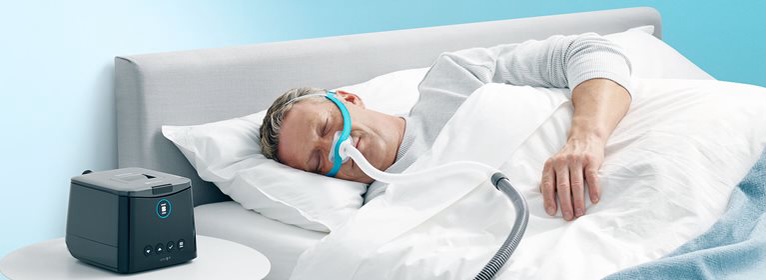
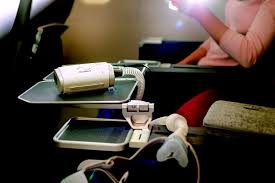
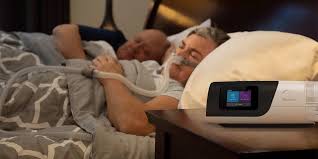
A CPAP machine delivers continuous positive airway pressure through a mask to prevent airway collapse during sleep, making it the gold standard for OSA treatment. The device pushes a steady stream of pressurized air into your throat, keeping the soft tissues from blocking your breathing passages throughout the night.
The mechanics of CPAP Machines are straightforward: a motor draws in room air, pressurizes it to your prescribed level, and sends it through a tube to your mask. This constant air pressure acts as a pneumatic splint, holding your airway open so oxygen flows freely to your lungs while you sleep.
CPAP therapy differs from other positive airway pressure devices in important ways:
CPAP machines maintain one fixed pressure setting all night long
APAP (Auto-adjusting PAP) devices sense your breathing and automatically adjust pressure levels moment-to-moment
BiPAP (Bilevel PAP) machines deliver higher pressure when you inhale and lower pressure when you exhale
ASV (Adaptive Servo-Ventilation) devices dynamically respond to complex breathing patterns, typically prescribed for central sleep apnea
Understanding these distinctions helps you work with your doctor to identify which device best matches your specific breathing patterns and sleep apnea severity. Each type addresses different therapeutic needs, making proper selection critical for successful treatment outcomes.
Why Is a Doctor’s Prescription Essential for Choosing a CPAP Machine?
A CPAP prescription is legally required to purchase a CPAP machine because obstructive sleep apnea is a medical condition that demands professional diagnosis and treatment planning. Without a prescription, you cannot obtain a CPAP device from legitimate medical suppliers or have insurance coverage approved.
The sleep study, conducted either in a lab or at home, provides critical data that determines your specific therapy needs. This diagnostic test measures how often your breathing stops, your oxygen levels, and the severity of your sleep apnea. Your doctor analyzes these results to prescribe the exact pressure settings your airways need to remain open throughout the night.
Pressure settings vary significantly between individuals—typically ranging from 4 to 20 cm H2O. Using incorrect pressure can lead to:
Ineffective treatment that fails to prevent breathing interruptions
Discomfort causing poor compliance and therapy abandonment
Potential side effects like aerophagia (air swallowing) or mask leaks
Worsening of symptoms if pressure is too low
Your prescription specifies not only the pressure level but may also indicate whether you need a standard CPAP, APAP, or BiPAP machine based on your breathing patterns. This medical guidance ensures your therapy addresses your specific condition safely and effectively, maximizing the health benefits while minimizing risks associated with improper treatment.
What Types of PAP Devices Are Available and Which One Suits Different Needs?
There are several types of Positive Airway Pressure (PAP) devices available, each designed to cater to specific needs and preferences. Here’s a breakdown of the different types of PAP machines and who they are best suited for:
1. CPAP Machines
Continuous Positive Airway Pressure (CPAP) machines deliver a single, fixed pressure throughout the night. They are the most common and straightforward option for treating obstructive sleep apnea.
Who it’s for: CPAP machines work well for patients with consistent breathing patterns and stable pressure requirements.
2. APAP Machines
Automatic Positive Airway Pressure (APAP) machines automatically adjust pressure levels in real-time based on your breathing patterns. These devices increase pressure when they detect airway resistance and decrease it during periods of normal breathing.
Who it’s for: APAP machines offer flexibility for patients whose pressure needs vary throughout the night or across different sleep positions.
3. BiPAP Machines
Bilevel Positive Airway Pressure (BiPAP) machines provide two distinct pressure levels: a higher pressure during inhalation and a lower pressure during exhalation.
Who it’s for: This dual-pressure system benefits patients who struggle with exhaling against continuous pressure, those requiring higher pressure settings, or individuals with certain respiratory conditions beyond sleep apnea.
4. ASV Machines
Adaptive Servo-Ventilation (ASV) machines represent the most advanced technology, continuously monitoring breathing patterns and adjusting pressure breath-by-breath.
Who it’s for: These devices primarily treat central sleep apnea or complex sleep apnea syndrome, where the brain fails to send proper breathing signals.
Your specific needs determine the right device type. Patients with straightforward obstructive sleep apnea typically start with standard CPAP machines. Those experiencing pressure intolerance, variable breathing patterns, or difficulty exhaling may benefit from APAP or BiPAP options. Your sleep study results and physician’s assessment guide this critical decision.
What Features Should Be Considered When Choosing a CPAP Machine?
The right CPAP features directly impact therapy success and nightly comfort. Modern machines offer various specifications that address different user needs, from noise levels to travel convenience.
Quiet Operation
Noise levels matter significantly when selecting equipment for nightly use. Today’s CPAP machines typically operate between 25-30 decibels—comparable to a whisper or soft library environment. Quieter models prevent sleep disruption for both users and bed partners, creating a peaceful bedroom atmosphere. Machines with sound ratings below 26 decibels offer the most discreet operation, particularly valuable for light sleepers or those sharing a bedroom.
Portability and Travel-Friendly Design
Compact, lightweight machines serve active individuals and frequent travelers best. Standard CPAP devices weigh 2-5 pounds, while travel-specific models reduce this to under 1 pound. Battery compatibility extends therapy beyond traditional outlets—essential for camping trips, international travel, or areas with unreliable power. Machines with universal voltage (100-240V) eliminate the need for converters abroad.
Ease of Use and Interface
Intuitive controls simplify daily operation. Look for machines with clear displays showing pressure settings, usage hours, and mask leak data. Ease of Use and Interface is enhanced by smartphone connectivity, which enables remote monitoring and adjustment tracking. One-button operation benefits users who prefer straightforward functionality without complex menus, while automatic altitude adjustment ensures consistent therapy regardless of elevation changes during travel.
How Does Mask Selection Impact Comfort and Effectiveness?
CPAP mask types directly determine whether you’ll stick with therapy or abandon it due to discomfort. The right mask creates an effective seal while feeling natural enough to wear throughout the night.
Three primary CPAP mask types serve different breathing patterns and facial structures:
Nasal masks cover only the nose, offering a balanced option for those who breathe primarily through their nose during sleep
Nasal pillow masks insert small cushions directly into the nostrils, providing minimal facial contact and working well for claustrophobic users or those who wear glasses before bed
Full-face masks cover both nose and mouth, delivering air through either passage
Full-face masks become essential for mouth breathers or anyone experiencing chronic nasal congestion. If you wake with a dry mouth or your partner notices you sleeping with your mouth open, this style prevents air leaks that compromise therapy effectiveness. Those with seasonal allergies, deviated septums, or sinus conditions also benefit from the dual-pathway design.
Mask fit matters as much as style. An improperly sized mask creates pressure points, red marks, or air leaks that trigger the machine to increase pressure unnecessarily. Most suppliers offer fitting sessions to test different sizes and styles before committing to a purchase. The cushion material—typically silicone or gel—affects both comfort and seal quality against your skin.
What Accessories Can Enhance the CPAP Therapy Experience?
Heated humidifiers transform CPAP therapy by adding moisture to the pressurized air, preventing the dry mouth, throat irritation, and nasal congestion that many users experience. Most modern CPAP machines either include built-in humidifiers or offer them as compatible add-ons, with adjustable settings to match individual comfort preferences and environmental conditions.
A heated hose works in tandem with the humidifier to maintain consistent air temperature from the machine to your mask. Without heating, moisture in the tube can cool and condense, creating “rainout”—water droplets that collect in the tubing and disrupt therapy. Heated hoses eliminate this problem by keeping the air warm throughout its journey, ensuring you receive comfortable, properly humidified air all night.
Mask liners provide an additional layer of comfort between your skin and the mask cushion. These soft fabric barriers:
Reduce skin irritation and pressure marks from prolonged mask contact
Improve the seal by absorbing facial oils and moisture
Extend mask cushion lifespan by protecting it from direct skin contact
Create a more comfortable sleeping experience for users with sensitive skin
The combination of these accessories addresses the most common comfort complaints associated with CPAP therapy. Users who add humidification and heated hoses report significantly better sleep quality and higher compliance rates, making these accessories valuable investments rather than optional extras.
How Important Is Regular Maintenance and Replacement for Effective Therapy?
CPAP maintenance directly impacts therapy effectiveness and your health. Without proper cleaning and timely replacement of components, bacteria and mold can accumulate, leading to respiratory infections and reduced machine performance.
Daily and Weekly Cleaning Tasks
Daily cleaning of your mask cushion
Weekly washing of the entire mask assembly with mild soap and water
Weekly cleaning of the headgear
Weekly inspection and cleaning of hoses
These cleaning tasks are essential to prevent skin irritation, bacterial growth, moisture buildup, and potential contaminants.
Filter Change Guidelines
Filter change schedules vary by machine type but typically follow these guidelines:
Disposable white filters: Replace every 2-4 weeks
Reusable gray foam filters: Clean weekly, replace every 3 months
Water chamber: Empty and rinse daily, deep clean weekly
Mask and Headgear Replacement
Mask replacement should occur every 3-6 months as cushions lose their shape and seal quality deteriorates. Headgear stretches over time, requiring replacement every 6 months to maintain proper fit.
Tubing Replacement
Tubing develops micro-tears and should be replaced every 3 months.
Neglecting these maintenance schedules reduces air pressure delivery, compromises treatment efficacy, and voids manufacturer warranties. Most insurance plans cover regular supply replacements when following recommended schedules, making adherence to CPAP maintenance protocols both medically necessary and financially practical. How to Choose the Right CPAP Machine for Your Sleep Apnea Treatment includes understanding these ongoing care requirements before purchase.
Will Insurance Cover the Cost of a CPAP Machine?
Most health insurance plans provide insurance coverage for CPAP machines, but approval hinges on meeting specific medical criteria. Insurers require documented proof of obstructive sleep apnea through an official sleep study report conducted at an accredited facility or via home sleep testing.
Medicare CPAP Coverage
Medicare CPAP coverage follows a structured approval process. Beneficiaries must complete a face-to-face evaluation with their physician and undergo a qualifying sleep study showing an apnea-hypopnea index (AHI) of 15 or higher, or an AHI between 5-14 with documented symptoms like excessive daytime sleepiness. Medicare typically covers 80% of the approved amount after the Part B deductible is met.
Private Insurance Requirements
Private insurance carriers maintain similar requirements but vary in their specific policies:
Pre-authorization may be mandatory before purchasing equipment
Compliance monitoring during a trial period (usually 30-90 days) to verify regular usage
Rental-to-own programs where insurers rent the machine initially before transferring ownership
Coverage for supplies including masks, filters, tubing, and humidifier chambers on a scheduled replacement basis
Documentation from your sleep physician proving medical necessity strengthens insurance claims. For example, Aetna’s medical policy outlines specific requirements that need to be met for CPAP coverage. Always contact your insurance provider directly to understand your plan’s specific coverage limits, copayments, and approved supplier networks before purchasing a CPAP machine.
Are There Specialized Machines for Travel or On-the-Go Use?
Yes, travel CPAP machines are specifically engineered for portability without compromising therapy effectiveness. These devices typically weigh between 0.6 to 2 pounds—significantly lighter than standard home units that can weigh 5 pounds or more.
Travel CPAP machines distinguish themselves through several key design features:
Compact dimensions that fit easily into carry-on luggage or backpacks
Universal power compatibility including AC adapters, DC car chargers, and battery packs
FAA approval for use during flights on most commercial airlines
Simplified controls with fewer buttons and intuitive interfaces
Integrated humidification or compatibility with portable humidifier attachments
The advantages for frequent travelers extend beyond size reduction. Business professionals who travel weekly maintain consistent therapy across time zones and hotel rooms. Outdoor enthusiasts can bring their devices on camping trips using battery power sources. International travelers benefit from auto-adjusting voltage capabilities that work with different electrical systems worldwide.
Most travel CPAP machines deliver the same therapeutic pressure ranges as full-size units, ensuring treatment quality remains unchanged. The primary trade-off involves reduced water chamber capacity in humidifiers and potentially shorter tubing lengths. Patients who split time between multiple locations often purchase a dedicated travel CPAP machine rather than constantly packing and unpacking their primary device, reducing wear on equipment and simplifying their routine.
How Can Patients Adjust to Using Their Chosen CPAP Machine Successfully?
Adapting to CPAP therapy requires patience, but most users achieve comfort within 2-4 weeks. The initial adjustment period presents specific challenges that become manageable with the right approach and equipment choices.
New users commonly experience:
Mask discomfort or leakage from improper fit or sizing
Claustrophobia when wearing the mask for extended periods
Dry mouth or nasal congestion from air pressure
Difficulty falling asleep with the machine running
Skin irritation around mask contact points
The key to successful adaptation lies in selecting equipment matched to your specific needs. A properly fitted mask eliminates 80% of initial complaints, while features like heated humidification address dryness concerns immediately.
Start by wearing your mask during daytime activities—watching television or reading—to build familiarity without sleep pressure. Gradually increase wearing time each night. If discomfort persists beyond two weeks, contact your equipment provider to explore different mask styles or pressure settings.
How to Choose the Right CPAP Machine for Your Sleep Apnea Treatment becomes easier when you understand that personalization drives success. Patients using equipment tailored to their sleep position, breathing patterns, and lifestyle preferences show 70% higher compliance rates. This improved adherence translates directly to better sleep quality, reduced daytime fatigue, and significant long-term health benefits including lower cardiovascular risks.
Sleep apnea is more than just loud snoring — it’s a serious sleep disorder that interrupts breathing during rest, leading to oxygen deprivation, poor sleep quality, and even heart strain. If left untreated, it can contribute to high blood pressure, cardiovascular disease, and other health complications. While treatments like CPAP therapy are highly effective, incorporating lifestyle changes can help manage symptoms naturally and improve overall sleep health.
This guide explores practical strategies, real-world examples, and medical insights to help adults take control of their sleep apnea symptoms and protect both their sleep and heart.
Understanding Sleep Apnea and Its Risks
Sleep apnea occurs when your airway becomes partially or fully blocked during sleep. This blockage can last several seconds or even minutes, disrupting oxygen flow and preventing deep, restorative sleep.
Increased risk of heart disease, stroke, and diabetes
Morning headaches and mood changes
For instance, Sarah, a 45-year-old teacher, experienced chronic fatigue and irritability. After undergoing a sleep study, she was diagnosed with moderate sleep apnea. By combining CPAP therapy with lifestyle changes, her energy and sleep quality improved dramatically, highlighting the importance of both medical and behavioral interventions.
Why Lifestyle Changes Matter
Lifestyle adjustments are especially helpful for people with mild to moderate sleep apnea or those seeking to complement medical treatments. Healthy habits can:
Reduce airway obstruction
Improve oxygen flow
Minimize heart strain
Support long-term cardiovascular health
Even simple changes, when maintained consistently, can make a measurable difference in sleep quality.
Key Lifestyle Changes to Control Sleep Apnea
1. Maintain a Healthy Weight
Excess body weight, particularly around the neck, can increase airway obstruction. Losing even a few kilograms can reduce apneic events significantly.
Tips:
Adopt a balanced diet rich in fruits, vegetables, lean proteins, and whole grains
Limit processed foods and added sugars
Incorporate regular exercise — even walking 30 minutes a day can help
2. Sleep on Your Side
Sleeping on your back can worsen sleep apnea symptoms because gravity can cause the tongue and soft tissues to block the airway.
Tips:
Use a body pillow to stay on your side
Consider positional therapy devices that encourage side-sleeping
3. Limit Alcohol and Sedatives
Alcohol and sedatives relax throat muscles, increasing the likelihood of airway collapse during sleep.
Tips:
Avoid alcohol at least 3–4 hours before bedtime
Discuss alternative medications with your doctor if sedatives are prescribed
4. Quit Smoking
Smoking inflames the airway and can worsen sleep apnea symptoms. Quitting improves oxygen flow and reduces the risk of heart disease.
Even moderate exercise, when done consistently, can reduce the frequency and severity of apneic events.
6. Practice Good Sleep Hygiene
A regular sleep schedule and proper sleep environment can minimize sleep disturbances.
Tips:
Keep a consistent bedtime and wake time
Avoid screens and bright lights before sleep
Create a dark, cool, and quiet bedroom environment
Medical Support: Combining Lifestyle Changes With CPAP Therapy
While lifestyle adjustments are powerful, many people benefit from medical interventions:
CPAP Therapy: Delivers continuous air pressure to keep airways open
Oral Appliances: Reposition the jaw or tongue to prevent airway collapse
Surgery: Corrects structural airway issues in severe cases
Combining these treatments with lifestyle changes maximizes sleep quality and reduces cardiovascular risk.
The Connection Between Sleep Apnea and Heart Health
Sleep apnea causes intermittent drops in oxygen during sleep, increasing the heart’s workload. Over time, this can lead to:
High blood pressure
Irregular heart rhythms
Increased risk of heart attack and stroke
Lifestyle changes — along with CPAP therapy and regular sleep studies — protect both sleep and cardiovascular health.
FAQS
How does sleep apnea affect heart health?
Sleep apnea causes repeated oxygen drops during sleep, forcing the heart to work harder. Over time, this can lead to high blood pressure, irregular heartbeats, heart attacks, and even heart failure. Early intervention significantly reduces cardiovascular risks.
Can lifestyle changes alone manage sleep apnea?
For mild cases, lifestyle changes like weight loss, exercise, and side-sleeping can reduce symptoms. Moderate to severe sleep apnea often requires CPAP therapy or other medical interventions for optimal results.
How can sleep position improve apnea symptoms?
Sleeping on your side prevents the tongue and soft tissues from blocking the airway. Using pillows or positional therapy devices can reduce apneic events and improve sleep quality
Does exercise help with sleep apnea?
Yes. Regular physical activity strengthens respiratory muscles, supports weight loss, and enhances sleep quality. Even moderate daily exercise can reduce the severity and frequency of sleep apnea symptoms.
What Are Portable Oxygen Concentrators and Who Needs Them?
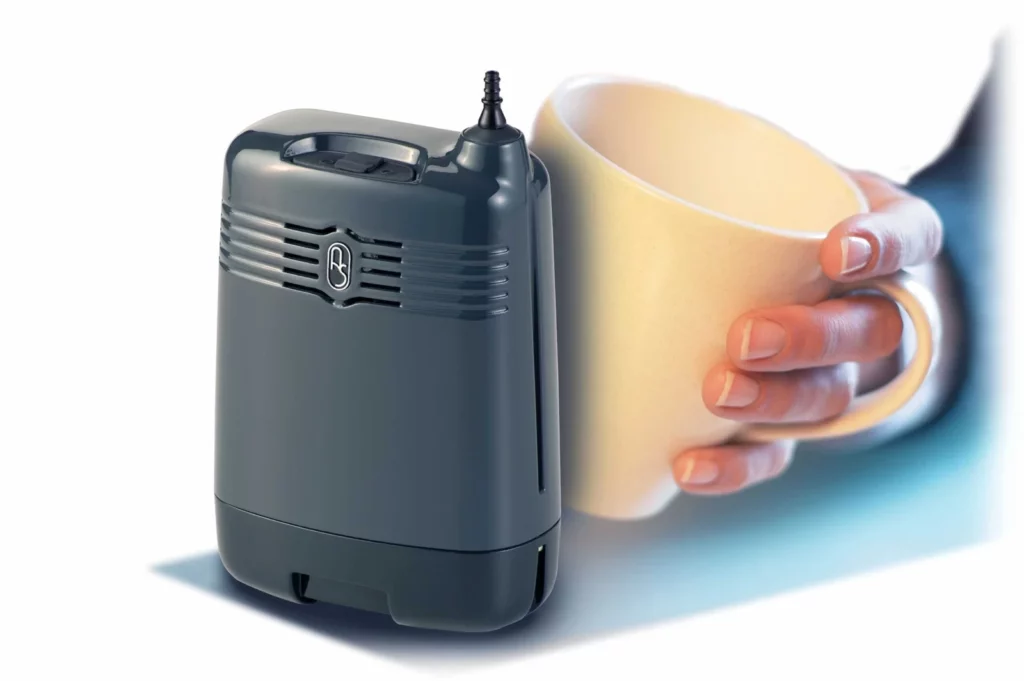
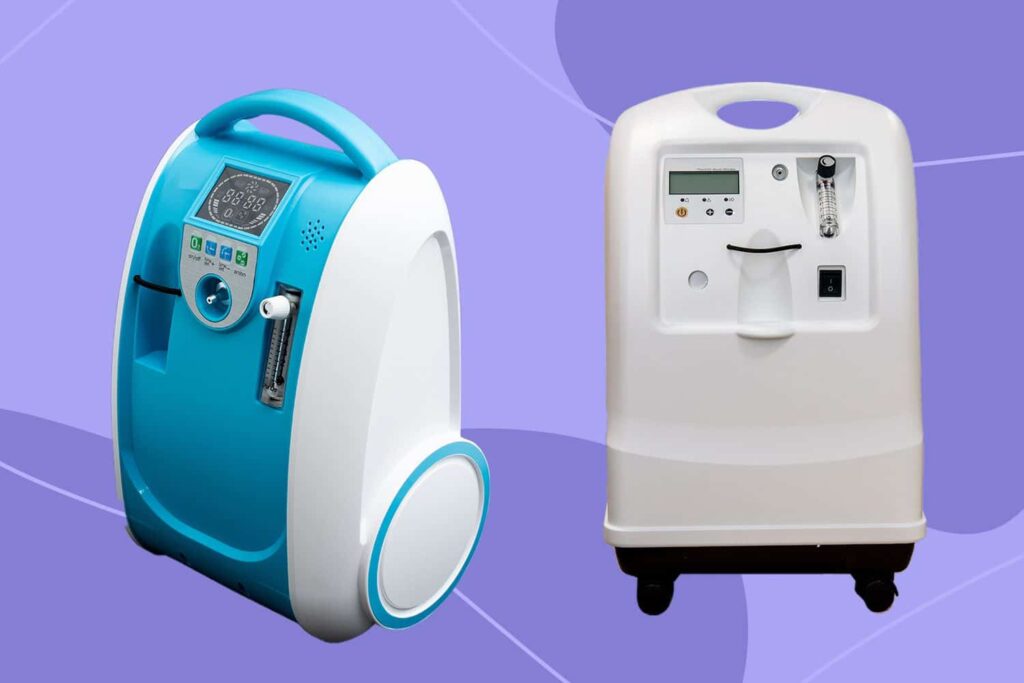
A portable oxygen concentrator (POC) is a lightweight, battery-powered medical device that extracts oxygen from ambient air and delivers concentrated oxygen to patients requiring supplemental oxygen therapy. Unlike traditional oxygen tanks that store a finite amount of compressed oxygen, POCs continuously generate oxygen on demand, making them ideal for active lifestyles and travel.
Many patients often ask, “where can I buy or rent a portable oxygen concentrator machine?”—these devices are available through medical equipment suppliers, online health stores, and authorized rental providers, offering flexible options to suit both short-term and long-term oxygen therapy needs.
The device works by drawing in room air, removing nitrogen through molecular sieve technology, and delivering purified oxygen through a nasal cannula or mask. Most modern POCs weigh between 2 to 5 kilograms and can operate on battery power for several hours, with the option to recharge using standard electrical outlets or car adapters.
Who Requires Oxygen Therapy?
Oxygen therapy patients typically include individuals diagnosed with chronic respiratory conditions that compromise their body’s ability to maintain adequate blood oxygen levels. Common medical conditions requiring POCs include:
Chronic Obstructive Pulmonary Disease (COPD) – including emphysema and chronic bronchitis
Pulmonary fibrosis – scarring of lung tissue that reduces oxygen absorption
Severe asthma – when standard treatments fail to maintain proper oxygen saturation
Cystic fibrosis – a genetic condition affecting lung function
Heart failure – where the heart cannot pump sufficient oxygenated blood
Sleep apnoea – particularly when combined with other respiratory conditions
Pneumonia or COVID-19 recovery – requiring temporary oxygen support
Doctors prescribe supplemental oxygen when blood oxygen saturation levels consistently fall below 88-90%, as measured by pulse oximetry or arterial blood gas tests.
Why Choose Portable Over Stationary Systems?
The benefits of portability and continuous oxygen supply transform daily life for oxygen therapy patients. Traditional stationary concentrators tether patients to their homes, whilst heavy oxygen cylinders require frequent refills and offer limited mobility.
POCs deliver three significant advantages:
Freedom of movement – Patients can maintain active social lives, attend appointments, shop, and visit family without planning around oxygen supply limitations.
Travel capability – Most POCs meet airline approval standards for in-flight use, enabling patients to explore new destinations without compromising their health needs.
Enhanced comfort – With no need for bulky equipment or constant tank replacements, users experience greater ease during everyday activities and sleep.
These benefits empower individuals with respiratory conditions to lead fulfilling lives while effectively managing their treatment requirements.
Where Can Patients Rent Portable Oxygen Concentrators?
Patients can rent portable oxygen concentrators through specialised medical equipment suppliers, both locally in Australia and internationally. These rental providers offer flexible arrangements designed to accommodate varying patient needs, from temporary recovery periods to extended therapy requirements.
Rental Providers in Australia
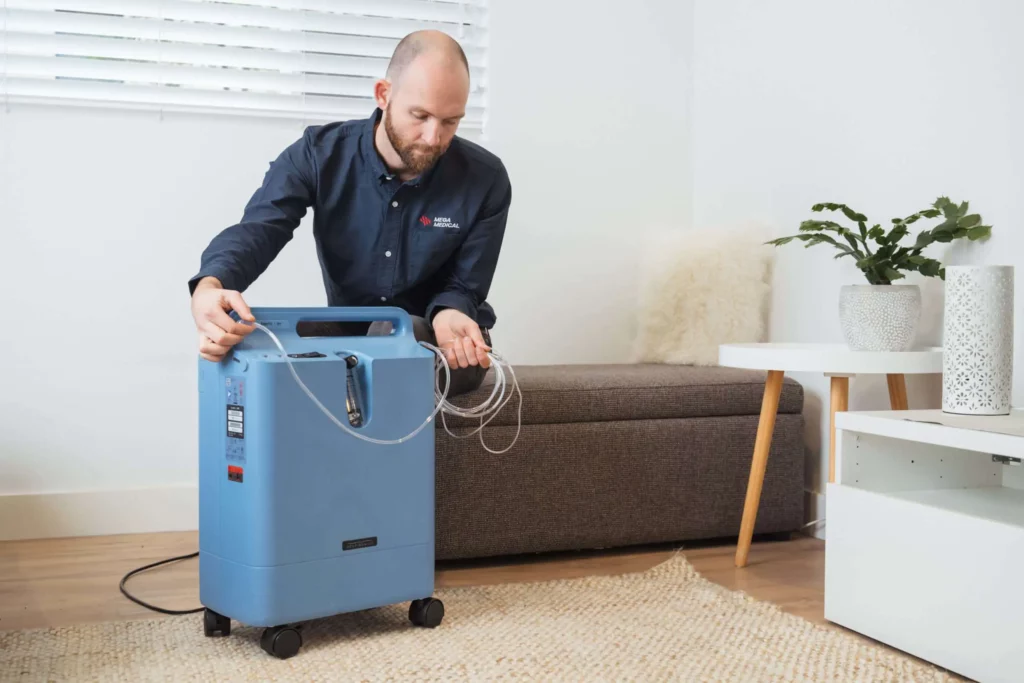
Mega Medical stands out as a leading supplier offering comprehensive rental services for portable oxygen concentrators across Australia. The company provides both stationary and portable units from trusted manufacturers, ensuring patients receive reliable equipment backed by clinical expertise. Their service includes nationwide delivery, making oxygen therapy accessible regardless of location.
Australian patients benefit from a well-established network of medical equipment suppliers who understand local healthcare requirements and maintain high standards for equipment quality. These providers work closely with healthcare professionals to ensure proper device selection and ongoing support throughout the rental period.
Rental Duration Options
Rental terms typically fall into two categories:
Short-term rentals: Ideal for post-surgical recovery, temporary health setbacks, or trial periods before purchasing. These arrangements usually span from one week to several months.
Long-term rentals: Suited for chronic conditions requiring extended oxygen therapy. Patients can rent equipment for six months, a year, or longer with flexible renewal options.
The flexibility in rental duration allows patients to adjust their arrangements as medical needs change without the financial commitment of purchasing equipment outright.
What’s Included in Rental Services
Reputable rental providers bundle essential services with their equipment hire:
Home delivery and setup: Technicians deliver the concentrator directly to the patient’s residence and provide initial setup guidance
Technical support: Ongoing assistance via phone or in-person visits for troubleshooting and maintenance queries
Equipment maintenance: Regular servicing and immediate replacement if devices malfunction
Travel compliance guidance: Advice on using portable units during air travel and interstate trips
These comprehensive support services distinguish professional medical equipment suppliers from basic rental companies. Patients receive not just a device but a complete care package ensuring safe and effective oxygen therapy.
However, it’s important to note that during these unprecedented times, infection control measures are crucial when renting medical equipment such as portable oxygen concentrators. The inclusion of expert support proves particularly valuable for first-time oxygen therapy users who may have questions about device operation, battery management, or adjusting to portable oxygen use in daily activities. Click here to get what does an Oxygen machine for home do and who needs one?
What Are the Costs and Requirements for Renting a Portable Oxygen Concentrator?
Costs of Renting a Portable Oxygen Concentrator
POC rental cost typically begins at approximately $115 per week for popular models like the Inogen portable concentrator. This baseline pricing provides patients with access to medical-grade oxygen therapy without the substantial upfront investment required for purchase. Rental rates vary depending on the specific model, features, and rental duration selected.
The Inogen portable concentrator rental price represents one of the most competitive options in the market. Patients choosing weekly rentals benefit from flexibility, particularly when oxygen therapy needs are temporary or uncertain. Extended rental periods often come with reduced weekly rates, making long-term arrangements more economical for those requiring ongoing oxygen support.
Additional Costs Beyond Base Rental Fees
Insurance fees for oxygen concentrators add to the total rental expense. These fees protect both the rental provider and the patient against equipment damage, loss, or malfunction during the rental period. Insurance charges typically range from $10 to $25 per week, depending on the equipment value and coverage level. Some providers include basic insurance in their rental packages, whilst others offer it as an optional add-on.
Delivery charges may apply depending on location, though many reputable suppliers include delivery and collection services within their standard rental agreements. Patients should clarify whether consumables such as nasal cannulas, tubing, and filters are included or require separate purchase.
Medical Documentation Requirements
A valid medical prescription is mandatory for renting portable oxygen concentrators in Australia and most other countries. Healthcare providers must document the patient’s oxygen therapy requirements, including prescribed flow rates and duration of use. This prescription ensures appropriate equipment selection and legal compliance with medical device regulations.
Rental companies cannot dispense oxygen concentrators without proper medical authorisation. Patients should obtain their prescription before contacting rental suppliers to streamline the rental process.
Professional Assessment by Oxygen Specialists
Oxygen specialists play a critical role in determining patient suitability for specific POC models. These trained professionals review medical prescriptions, assess individual oxygen requirements, and evaluate lifestyle factors such as activity levels and travel needs. Their expertise ensures patients receive equipment capable of meeting their therapeutic demands.
The assessment process typically involves:
Review of oxygen saturation levels and flow rate requirements
Evaluation of mobility needs and physical activities
Consideration of travel plans or frequent trips
Discussion of any specific preferences regarding POC features
Where Can Patients Buy Portable Oxygen Concentrators?
Patients can buy portable oxygen concentrator online through specialised healthcare suppliers that stock medical-grade equipment. Air Liquide Healthcare stands as one of Australia’s leading providers, offering a comprehensive range of portable oxygen machines for outright purchase with delivery and clinical support included.
Trusted Brands and Healthcare Suppliers
The market for healthcare suppliers POC purchase features several established manufacturers known for reliability and performance. Leading trusted brands portable oxygen machines available through Australian suppliers include:
Zen-O – Known for dual-mode operation (continuous and pulse flow) and robust build quality
Inogen – Popular for lightweight design and long battery life, particularly the Inogen One G3 and G5 models
Philips Respironics – Offers the SimplyGo series with high oxygen output capacity
Caire – Provides the FreeStyle Comfort model with ergonomic design features
These brands have undergone rigorous testing and certification, ensuring they meet Australian therapeutic goods standards. Healthcare suppliers typically provide detailed specifications, user manuals, and warranty coverage with each purchase.
Purchasing Process and Requirements
Buying a portable oxygen concentrator requires a valid prescription from a qualified medical practitioner. Suppliers conduct clinical assessments to match the device specifications with prescribed oxygen flow rates and usage patterns. The purchase process includes:
Prescription verification and clinical review
Device selection based on oxygen requirements and lifestyle needs
Training on operation, maintenance, and troubleshooting
Warranty registration and ongoing technical support access
Advantages of Owning Versus Renting
Ownership becomes cost-effective for patients requiring long-term oxygen therapy beyond six months. The upfront investment eliminates recurring weekly rental fees, with most units lasting five to seven years with proper maintenance. Owners gain complete flexibility in usage without rental agreement restrictions or return deadlines.
Purchasing also provides equipment customisation options such as additional batteries, carrying cases, and vehicle power adapters tailored to individual mobility requirements. Patients who travel frequently benefit from having dedicated equipment always available without coordinating rental logistics across different locations.
The financial breakeven point typically occurs around 12-18 months of continuous use, after which ownership becomes more economical compared to renting in the long run.
Are Portable Oxygen Concentrators Approved for Travel?
Yes, many portable oxygen concentrators are specifically designed and approved by airlines for in-flight use. These travel-friendly devices meet strict aviation safety standards set by regulatory bodies like the Federal Aviation Administration (FAA), making it possible for oxygen-dependent patients to maintain their therapy whilst travelling.
Which POC Models Are Airline-Approved?
Not all oxygen concentrators qualify for air travel. Airline approved POC models must meet specific criteria, including battery operation, size restrictions, and safety certifications. Most major airlines accept devices that appear on the FAA’s approved list, which includes popular brands such as:
Inogen One G3, G4, and G5 – lightweight units with long battery life
Philips Respironics SimplyGo Mini – compact design ideal for cabin use
Zen-O Lite – versatile option with pulse-dose delivery
AirSep Focus and FreeStyle Comfort – ultra-portable models
Each airline maintains its own policies regarding portable oxygen machine travel regulations, so patients must contact their carrier at least 48-72 hours before departure to confirm acceptance and complete necessary documentation.
What Documentation Do Travellers Need?
Airlines typically require passengers to provide:
A physician’s statement confirming the medical necessity for oxygen therapy
Proof that the device is FAA-approved (manufacturer’s label or documentation)
Notification of oxygen flow rate and duration needed during the flight
Confirmation of sufficient battery capacity for 150% of expected flight time
Patients should carry spare batteries in their hand luggage, as checked baggage is not permitted for lithium-ion batteries. Battery terminals must be protected to prevent short circuits.
How Do Rental Providers Support Travel Compliance?
When you travel with portable oxygen concentrator equipment from rental companies like Mega Medical, they provide comprehensive travel assistance. These suppliers offer:
Pre-travel consultations to verify your device meets airline requirements
Documentation packages including manufacturer specifications and FAA approval certificates
Battery rental options to ensure adequate power supply for extended journeys
Travel cases and accessories designed for safe transport through security checkpoints
Rental providers familiar with portable oxygen machine
How to Choose a Reputable Supplier for Buying or Renting?
Selecting the right supplier determines whether your oxygen therapy experience will be seamless or frustrating. A reputable POC supplier should offer proven equipment from established brands like Inogen, Philips Respironics, or Zen-O, backed by transparent pricing and comprehensive service agreements.
What Product Quality Indicators Matter Most?
Brand reputation serves as your first quality checkpoint. Suppliers partnering with internationally recognised manufacturers demonstrate commitment to reliability and safety standards. Check whether the supplier provides detailed specifications for each model, including oxygen output capacity, battery life, and weight specifications.
Certification and compliance documentation prove the equipment meets Australian medical device regulations. Ask potential suppliers about their quality assurance processes, maintenance protocols, and how frequently they service rental units. Equipment age matters too—rental units should be well-maintained recent models rather than outdated inventory.
Why Are Delivery and Support Services Non-Negotiable?
Comprehensive delivery services eliminate logistical headaches when you need oxygen therapy urgently. Quality suppliers like Mega Medical include delivery as standard, bringing equipment directly to your home with setup assistance. This service becomes critical for patients with limited mobility or those living in regional areas.
Ongoing support separates exceptional suppliers from mediocre ones. Look for providers offering:
24/7 technical support hotlines for troubleshooting
Regular maintenance check-ups for rental equipment
Rapid replacement services if devices malfunction
Training sessions on proper equipment use and care
Travel compliance guidance for airline-approved models
How Should Patient Needs Shape Supplier Selection?
Patient-centred supplier selection starts with understanding your specific medical requirements and lifestyle demands. An oxygen specialist should assess your prescription needs, mobility patterns, and daily activities before recommending equipment. Suppliers demonstrating this consultative approach prioritise health outcomes over sales targets.
Consider your usage scenarios carefully. Frequent travellers need suppliers stocking FAA-approved portable models with extended battery options. Home-based patients might prioritise quiet operation and energy efficiency. Active individuals require lightweight units with pulse-dose delivery systems.
Budget flexibility matters when choosing between rental and purchase options. Reputable suppliers present both pathways clearly, explaining long-term cost implications without pressure tactics. Short-term rental suits trial periods or temporary.
Frequently Asked Questions (FAQs) About Portable Oxygen Concentrators
1. What is a Portable Oxygen Concentrator (POC) and how does it work? A portable oxygen concentrator (POC) is a compact medical device that extracts oxygen from surrounding air, removes nitrogen through molecular sieve technology, and delivers purified oxygen to patients via a nasal cannula or mask. Unlike oxygen cylinders that require refilling, POCs generate oxygen continuously, making them ideal for mobility and travel.
2. Who needs a portable oxygen concentrator? POCs are prescribed to individuals with chronic respiratory or cardiac conditions that cause low blood oxygen levels. These include COPD, pulmonary fibrosis, cystic fibrosis, severe asthma, heart failure, sleep apnoea, and post-COVID-19 or pneumonia recovery. A medical professional determines the need for oxygen therapy through oxygen saturation tests.
3. What are the advantages of using a portable oxygen concentrator over traditional systems? Portable oxygen concentrators offer greater mobility, independence, and convenience. They eliminate the need for heavy oxygen tanks, allow users to travel freely, and provide consistent oxygen delivery without constant refills. Many models are lightweight and airline-approved for travel use.
4. Where can I buy or rent a portable oxygen concentrator machine? You can buy or rent POCs through authorized medical equipment suppliers such as Mega Medical and Air Liquide Healthcare in Australia. These providers offer flexible rental terms, home delivery, and support services to ensure proper setup and compliance with oxygen therapy requirements.
5. How much does it cost to rent a portable oxygen concentrator? The cost typically starts from around $115 per week, depending on the model and rental duration. Additional costs may include insurance, delivery, and consumables such as nasal cannulas and tubing. Long-term rentals often come with discounted rates for extended use.
6. Do I need a prescription to buy or rent a portable oxygen concentrator? Yes. A valid medical prescription from a licensed healthcare provider is required to purchase or rent a POC. The prescription specifies oxygen flow rates and therapy duration, ensuring compliance with medical standards and proper device selection.
7. Are portable oxygen concentrators safe for air travel? Yes. Most modern POCs, such as Inogen One G5, Philips Respironics SimplyGo Mini, and Zen-O Lite, are FAA-approved for in-flight use. Passengers must notify their airline in advance, provide a doctor’s statement, and carry sufficient battery power for 150% of the total flight duration.
8. What support services are included when renting a POC? Reputable suppliers offer comprehensive rental packages including home delivery and setup, 24/7 technical support, regular maintenance, and immediate replacement in case of malfunction. Many also provide travel compliance assistance and consultations with oxygen specialists.
9. Should I rent or buy a portable oxygen concentrator? Renting is ideal for short-term or temporary oxygen therapy, such as post-surgery or recovery periods. Buying becomes more economical for long-term use (over six months), as ownership eliminates weekly rental fees and provides full control over device usage and accessories.
What Is an Oxygen Machine for Home and How Does It Work?
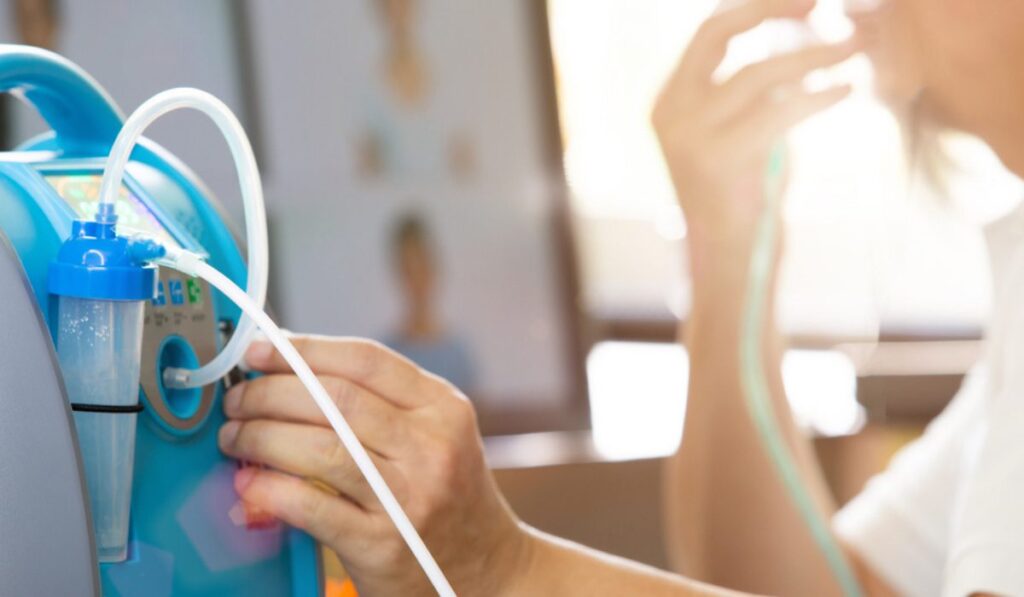
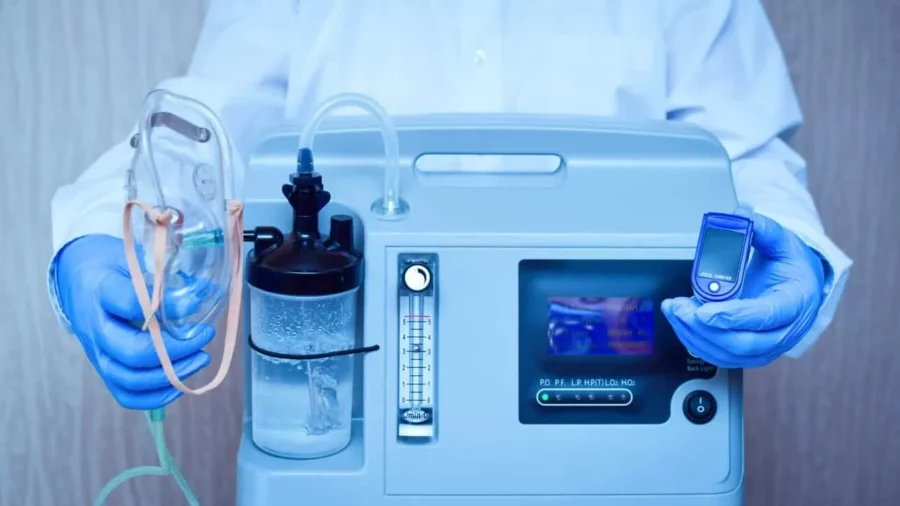
An oxygen concentrator is a medical device that extracts oxygen from room air and delivers it in concentrated form to people with breathing difficulties. The machine provides a continuous supply of supplemental oxygen without requiring oxygen tanks or frequent refills.
How Does an Oxygen Concentrator Work?
The device works by drawing in atmospheric air, which naturally contains approximately 20% oxygen and 80% nitrogen. Through a sophisticated filtration system, the oxygen machine for home use compresses this air and passes it through molecular sieves—special filters that trap nitrogen molecules whilst allowing oxygen molecules to flow through into a collection chamber. This process produces oxygen at concentrations typically between 87-95%, significantly higher than normal room air.
How Is Oxygen Delivered?
The concentrated oxygen travels through tubing and reaches the user via:
Nasal cannula: A lightweight tube with two small prongs that fit into the nostrils
Oxygen mask: A face covering for higher oxygen flow requirements
Power Sources of Oxygen Concentrators
How oxygen concentrators work depends on their power source. Standard models plug directly into electrical outlets and can operate continuously for as long as needed. Portable versions incorporate rechargeable batteries, offering mobility for several hours depending on the flow rate and battery capacity. These portable units allow users to maintain their oxygen therapy whilst moving around their home or venturing outdoors.
Who Needs an Oxygen Machine for Home?
Home oxygen therapy candidates are individuals whose blood oxygen levels fall below the normal range, typically requiring medical intervention to maintain adequate oxygen saturation. A healthcare provider prescribes supplemental oxygen when the body cannot maintain sufficient oxygen levels on its own.
Several medical conditions needing oxygen concentrator support include:
Chronic Obstructive Pulmonary Disease (COPD): The most common reason for home oxygen therapy, affecting lung airflow and oxygen absorption
Pulmonary fibrosis: Scarring of lung tissue that impairs oxygen transfer into the bloodstream
Heart failure: Weakened heart function reducing oxygen circulation throughout the body
Severe asthma: Chronic inflammation causing persistent breathing difficulties and oxygen deprivation
Pulmonary hypertension: High blood pressure in lung arteries limiting oxygen exchange
Cystic fibrosis: Genetic condition producing thick mucus that blocks airways
Obesity hypoventilation syndrome: Excess weight combined with other health issues restricting proper breathing
The duration of oxygen therapy varies significantly between patients. Some require short-term oxygen support during recovery from pneumonia, surgery, or acute respiratory illness lasting weeks to months. Others face lifelong oxygen therapy needs due to progressive chronic conditions where lung or heart function continues deteriorating. Doctors regularly assess low blood oxygen levels through testing to adjust therapy duration and oxygen flow rates according to individual patient requirements.
How Is the Need for Home Oxygen Therapy Determined?
Assessing need for oxygen therapy begins with specific medical tests that measure how much oxygen your blood carries. Healthcare providers use pulse oximetry and blood tests for oxygen levels to diagnose hypoxemia (low blood oxygen).
Pulse Oximetry
Pulse oximetry provides a quick, non-invasive reading by clipping a small sensor onto your fingertip or earlobe. This device measures oxygen saturation (SpO2), with normal levels typically ranging between 95-100%. Readings consistently below 88-92% often indicate the need for supplemental oxygen.
Arterial Blood Gas (ABG) Tests
Arterial blood gas (ABG) tests offer more detailed information about oxygen levels in your bloodstream. A healthcare professional draws blood from an artery, usually in your wrist, to measure the partial pressure of oxygen (PaO2). Results showing PaO2 below 55-60 mmHg at rest generally qualify patients for home oxygen therapy.
Exercise Tests
Exercise tests reveal how your oxygen levels respond to physical activity. Your doctor may ask you to walk for six minutes whilst monitoring your oxygen saturation. Some patients maintain normal levels at rest but experience dangerous drops during movement, requiring oxygen therapy during activities or sleep.
Your healthcare provider’s prescription remains essential for obtaining and using home oxygen equipment. They determine the appropriate flow rate (measured in litres per minute), duration of daily use, and whether you need continuous or intermittent therapy. Regular follow-up appointments allow your doctor to adjust your oxygen prescription based on your changing needs and response to treatment.
What Are the Benefits of Using an Oxygen Machine at Home?
Home oxygen therapy delivers concentrated oxygen directly to your bloodstream, ensuring your heart, brain, kidneys, and other vital organs receive the oxygen they need to function properly. When blood oxygen levels drop too low, organs struggle to perform essential tasks, leading to fatigue and potential long-term damage.
The benefits of home oxygen therapy extend beyond basic survival needs. Patients consistently report increased energy levels and stamina, allowing them to complete everyday tasks like cooking, cleaning, and walking without becoming breathless or exhausted. Many users find they can participate in social activities and hobbies they previously had to abandon.
Improved quality of life with oxygen concentrator use manifests in several measurable ways:
Enhanced sleep quality and reduced nighttime breathing disruptions
Better mental clarity and concentration during waking hours
Decreased shortness of breath during physical activity
Greater independence in managing personal care routines
Regular oxygen supplementation helps prevent serious complications associated with chronic low oxygen saturation. These include reduced risk of heart strain, lower likelihood of developing pulmonary hypertension, and decreased hospital admissions for respiratory emergencies. Patients with COPD who use prescribed oxygen therapy often experience slower disease progression and improved survival rates compared to those who don’t maintain adequate oxygen levels.
What Are the Safety Precautions When Using a Home Oxygen Machine?
Oxygen Concentrator Safety Tips
Ensure proper ventilation for your device by providing adequate airflow to function correctly and prevent overheating.
Position the machine at least 15 centimetres away from walls, curtains, and furniture to ensure unrestricted air circulation around intake and exhaust vents.
Home Oxygen Fire Safety
Keep your concentrator at least 1.5 metres away from open flames, including candles, gas stoves, fireplaces, and space heaters.
Remember that oxygen accelerates combustion, so even minor sparks can turn into serious fire hazards within seconds.
Portable Oxygen Machines Safety
Always follow both manufacturer instructions and healthcare provider guidelines precisely when using portable oxygen machines.
Regularly check the tubing for any cracks or kinks, clean the filters according to schedule, and inspect connections for a secure fit.
If you notice any worn components, replace them immediately instead of attempting repairs.
Smoke Detectors and Fire Extinguishers
Install smoke detectors in rooms where you use oxygen equipment.
Keep a fire extinguisher easily accessible in case of emergencies.
Inform your local fire department about your use of oxygen at home so they can respond appropriately if needed.
Backup Oxygen Cylinder Storage
Store backup oxygen cylinders upright in well-ventilated areas to prevent any potential hazards.
Secure the cylinders to prevent them from tipping over or falling.
Avoid Petroleum-Based Products
Do not use petroleum-based products like Vaseline near oxygen equipment as they can create fire risks.
Instead, opt for water-based alternatives that are safe to use around oxygen.
How Do Patients Use a Home Oxygen Machine Daily?
Daily use of home oxygen concentrator involves connecting the device to a power source, attaching the nasal cannula or mask, and adjusting the flow rate as prescribed by your doctor. The nasal cannula—a lightweight tube with two small prongs that fit into your nostrils—is the most common delivery method for continuous oxygen therapy at home.
Setting Up Your Equipment
Setting up your equipment requires placing the concentrator on a flat, stable surface with adequate ventilation space around all sides. You’ll connect the oxygen tubing to the outlet port on the machine, then position the nasal prongs comfortably in your nostrils or secure the mask over your nose and mouth. Most devices feature simple controls for power and flow rate adjustment.
Duration and Frequency of Oxygen Use
Duration and frequency of oxygen use varies significantly based on your condition severity and medical recommendations. Some patients require oxygen only during sleep or physical activity, whilst others need continuous 24-hour therapy. Your healthcare provider will specify:
Hours per day you should use oxygen
Prescribed flow rate (measured in litres per minute)
Whether you need oxygen during specific activities like exercise or sleep
Portable Oxygen Machine Handling
Portable oxygen machine handling demands attention to battery management for maintaining independence outside the home. Portable concentrators typically run for 2-8 hours depending on flow settings and battery capacity. Nasal cannula usage with portable units follows the same principles as stationary models, though you’ll need to plan activities around battery life and carry spare batteries for extended outings. Check out more about Where Can I Buy or Rent a Portable Oxygen Concentrator Machine?
Why Is a Home Oxygen Machine Important for Certain Patients?
The importance of home oxygen therapy lies in its ability to sustain life and restore independence for people with compromised respiratory function. Consistent respiratory support at home ensures vital organs receive adequate oxygen, preventing serious complications like organ damage, cognitive decline, and heart strain.
Patients experience tangible improvements in their daily lives:
Enhanced energy levels for completing household tasks and personal care
Better sleep quality through maintained oxygen saturation during rest
Reduced hospital admissions by preventing oxygen-related emergencies
Increased mobility with portable concentrators enabling social activities
The device transforms what would be a severely restricted existence into manageable living. Patients can prepare meals, engage with family, and maintain hobbies—activities that would be impossible without supplemental oxygen. This independence directly impacts mental health, reducing anxiety and depression associated with chronic illness whilst supporting physical recovery and stability.
Frequently Asked Questions (FAQs) About Oxygen Machines for Home Use
1. What is an oxygen machine for home, and what does it do? An oxygen machine for home, also known as an oxygen concentrator, is a medical device that extracts oxygen from surrounding air and delivers it in a concentrated form to individuals with breathing difficulties. It provides a continuous flow of supplemental oxygen without requiring bulky tanks or frequent refills.
2. How does a home oxygen concentrator work? The machine draws in room air containing around 20% oxygen and 80% nitrogen. Using molecular sieve filters, it removes nitrogen and compresses the remaining oxygen to deliver air with 87–95% purity. This concentrated oxygen is then supplied to the patient through a nasal cannula or oxygen mask.
3. Who needs an oxygen machine for home use? Home oxygen therapy is prescribed for patients with low blood oxygen levels caused by conditions such as COPD, pulmonary fibrosis, heart failure, severe asthma, pulmonary hypertension, cystic fibrosis, or obesity hypoventilation syndrome. It’s also used temporarily for recovery after pneumonia, surgery, or COVID-19.
4. How do doctors determine if you need home oxygen therapy? Doctors use pulse oximetry and arterial blood gas (ABG) tests to measure oxygen levels. A pulse oximeter reading below 88–92% SpO₂ or ABG results showing PaO₂ below 55–60 mmHg typically indicate the need for supplemental oxygen. Exercise tests may also assess oxygen levels during physical activity.
5. What are the main benefits of using an oxygen concentrator at home? Home oxygen therapy improves energy levels, sleep quality, mental alertness, and overall well-being. It reduces shortness of breath, enhances physical endurance, and helps prevent complications such as heart strain and pulmonary hypertension. Consistent use can also decrease hospital visits and improve quality of life for patients with chronic conditions.
6. Are home oxygen concentrators safe to use? Yes, when used properly. However, oxygen supports combustion, so it’s crucial to keep the device at least 1.5 metres away from open flames and avoid using petroleum-based products nearby. Ensure good ventilation, check tubing regularly, and install smoke detectors and a fire extinguisher in the room.
7. How do you use an oxygen machine at home? Place the concentrator on a stable, well-ventilated surface, connect the tubing to the outlet, and wear the nasal cannula or mask. Adjust the flow rate as prescribed by your doctor. Some patients use oxygen only during sleep or exercise, while others need it continuously throughout the day.
8. What is the difference between stationary and portable oxygen machines? Stationary oxygen concentrators are designed for continuous indoor use and plug into electrical outlets. Portable oxygen concentrators (POCs) are lightweight, battery-powered units ideal for outdoor activities and travel. Both provide the same oxygen therapy, but portable units offer greater freedom and mobility.
9. Why is home oxygen therapy important for respiratory patients? Home oxygen machines play a vital role in maintaining adequate oxygen levels, preventing organ damage, and improving longevity for people with chronic respiratory illnesses. They restore independence, allowing patients to live comfortably, stay active, and engage in daily life with less fatigue and breathlessness.
Sleep disorders affect millions of Australians, often leading to significant health issues and reduced quality of life. In Canberra, bulk-billed sleep studies offer a cost-effective solution for diagnosing and managing these conditions. This article delves into the workings of bulk-bill sleep studies in Canberra, explaining the process, benefits, and what to expect.
Understanding Sleep Studies
Sleep studies, also known as polysomnography, are comprehensive tests that monitor various body functions during sleep. These studies are crucial for diagnosing conditions such as sleep apnoea, insomnia, and restless leg syndrome. By analysing sleep patterns, healthcare professionals can recommend appropriate treatments.
Bulk-billed sleep study Canberra represent a vital resource for individuals struggling with sleep disorders. By providing accessible and affordable testing options, these studies facilitate early diagnosis and effective management of sleep-related issues.
Types of Sleep Studies
There are primarily two types of sleep studies: in-lab studies and home sleep tests. In-lab studies are conducted in a sleep clinic, where patients are monitored overnight in a controlled environment. This method allows for comprehensive data collection, including brain activity, heart rate, and oxygen levels.
Home sleep tests, on the other hand, are designed for convenience. Patients can conduct these tests in the comfort of their own homes, using portable monitoring devices. While they may not capture as much data as in-lab studies, they are often sufficient for diagnosing common sleep disorders, particularly obstructive sleep apnoea.
Why Sleep Studies are Important
Sleep studies provide invaluable insights into an individual’s sleep health. They help identify underlying issues that may be contributing to poor sleep quality. By diagnosing sleep disorders early, individuals can receive timely interventions, which can lead to improved overall health and well-being.
Moreover, the implications of untreated sleep disorders extend beyond mere fatigue. Chronic sleep deprivation is linked to a multitude of health problems, including cardiovascular diseases, diabetes, and even mental health issues such as anxiety and depression. Understanding the nuances of one’s sleep patterns through these studies can empower individuals to take proactive steps towards enhancing their sleep hygiene. This might include lifestyle modifications, such as establishing a consistent sleep schedule, reducing caffeine intake, or creating a more conducive sleep environment.
Furthermore, sleep studies can also play a pivotal role in understanding the impact of sleep on cognitive function and performance. For instance, many professionals in high-stakes jobs, such as pilots and healthcare workers, may undergo sleep studies to ensure their rest patterns are optimal for peak performance. By prioritising sleep health, individuals not only improve their quality of life but also enhance their productivity and decision-making abilities in daily tasks.
Bulk-billing is a payment option under Australia’s Medicare system, allowing patients to receive medical services without any out-of-pocket expenses. This system is particularly beneficial for those who may struggle to afford necessary healthcare services, including sleep studies.
How Bulk-Billing Works
When a healthcare provider bulk-bills a patient, they directly bill Medicare for the services rendered. The patient does not pay anything at the time of the service, as the provider receives the payment from Medicare. This arrangement makes healthcare more accessible, particularly for those with financial constraints. Find more about accessible on https://careers.uw.edu/resources/accessibility-inclusion-action-in-medical-education/
To qualify for bulk-billing, patients must meet specific criteria set by Medicare. Generally, this includes being referred by a general practitioner (GP) or specialist and having a valid Medicare card. It’s essential for patients to check with their healthcare provider to ensure that bulk-billing is available for the sleep study they require.
Benefits of Bulk-Billing for Sleep Studies
One of the primary advantages of bulk-billing for sleep studies is the financial relief it provides. Patients can undergo necessary testing without the burden of high costs, making it easier to prioritise their health. Additionally, bulk-billing encourages more individuals to seek help for sleep disorders, leading to better overall public health outcomes.
Moreover, bulk-billed services often maintain high standards of care. Many accredited sleep clinics in Canberra offer bulk-billed sleep studies, ensuring that patients receive quality assessments and treatments without compromising on service. These clinics are equipped with advanced technology and staffed by experienced professionals who are dedicated to diagnosing and treating sleep disorders effectively.
Furthermore, the bulk-billing system fosters a more inclusive healthcare environment, where individuals from diverse backgrounds can access essential services without the fear of incurring significant debt. This is particularly important in a country like Australia, where the cost of living can be high, and healthcare expenses can deter individuals from seeking timely medical assistance. By alleviating these financial barriers, bulk-billing not only promotes individual well-being but also contributes to a healthier society overall, as more people are encouraged to seek treatment for conditions that may otherwise go unaddressed.
The Process of a Bulk-Billed Sleep Study
Understanding the process of a bulk-billed sleep study can alleviate any concerns patients may have. The journey typically begins with a consultation with a GP, who will assess the patient’s symptoms and determine the need for a sleep study.
Initial Consultation
During the initial consultation, the GP will conduct a thorough evaluation of the patient’s medical history and sleep patterns. Patients may be asked about their sleep habits, lifestyle, and any existing medical conditions. Based on this assessment, the GP may refer the patient to a sleep specialist or a sleep clinic for further evaluation.
Preparation for the Sleep Study
Once referred, patients will receive instructions on how to prepare for the sleep study. This may include guidelines on medications, caffeine intake, and sleep hygiene practices. It’s essential for patients to follow these instructions closely to ensure accurate results.
Patients will also be informed about what to expect during the study, whether it’s conducted in a clinic or at home. Understanding the procedure can help alleviate anxiety and ensure a smoother experience. Additionally, patients are often encouraged to keep a sleep diary in the days leading up to the study, noting their sleep times, awakenings, and any factors that may affect their sleep quality. This information can provide valuable insights for the healthcare professionals involved in their care.
Conducting the Sleep Study
In a sleep clinic, patients will typically arrive in the evening and be shown to a private room equipped with monitoring devices. Electrodes will be attached to the patient’s scalp, face, chest, and legs to monitor brain waves, heart rate, breathing, and muscle activity throughout the night. To learn more about monitoring click here.
For home sleep tests, patients will receive a portable monitoring device that they will wear while sleeping. This device will track essential metrics such as oxygen levels and breathing patterns. Patients will be instructed on how to use the equipment and return it after the study. It’s important to note that while home sleep tests are convenient, they may not capture the full range of sleep disorders as effectively as in-lab studies, particularly for complex cases. Therefore, the choice of study type will depend on the individual’s symptoms and the clinician’s recommendations.
After the study, the data collected will be analysed by a sleep specialist, who will look for indicators of sleep disorders such as sleep apnoea, restless leg syndrome, or other conditions. Patients can expect to receive a follow-up appointment to discuss the results, which will help guide any necessary treatment plans. This follow-up is crucial, as it allows patients to understand their sleep health better and take informed steps towards improving their overall well-being.
Interpreting the Results
After the sleep study is completed, the data collected will be analysed by a sleep specialist. The results will help determine whether a sleep disorder is present and, if so, the severity of the condition.
Follow-Up Consultation
Patients will typically have a follow-up appointment with their GP or sleep specialist to discuss the results. During this consultation, the specialist will explain the findings and recommend appropriate treatment options based on the diagnosis.
Common treatment options may include lifestyle changes, continuous positive airway pressure (CPAP) therapy for sleep apnoea, or medications for insomnia. The specialist will work with the patient to develop a personalised treatment plan that addresses their specific needs.
Long-Term Management of Sleep Disorders
Managing sleep disorders often requires ongoing support and monitoring. Patients may need regular follow-ups to assess the effectiveness of their treatment and make any necessary adjustments. This collaborative approach ensures that patients receive the best possible care for their sleep health.
Conclusion
Understanding the process of a bulk-billed sleep study can empower patients to take charge of their sleep health. With the right support and treatment, individuals can improve their sleep quality, leading to enhanced overall well-being and a better quality of life.
For those experiencing sleep difficulties, seeking a referral for a bulk-billed sleep study may be a crucial step towards regaining restful nights and vibrant days.
Sleep studies, also known as polysomnography, are essential for diagnosing various sleep disorders. In Canberra, the cost of these studies can vary significantly based on several factors, including the type of study, the facility, and whether additional tests are required. This guide aims to provide a comprehensive overview of the costs associated with sleep studies in Canberra, ensuring that individuals seeking help for sleep-related issues are well-informed.
Understanding Sleep Studies
Before delving into the costs, it is crucial to understand what a sleep study entails. A sleep study monitors various physiological parameters during sleep, including brain waves, oxygen levels, heart rate, and breathing patterns. This information helps healthcare professionals diagnose conditions such as sleep apnoea, insomnia, and restless leg syndrome. The data gathered during these studies can reveal not just the presence of a sleep disorder but also its severity and potential impact on overall health, thereby guiding effective treatment plans.
Understanding the costs associated with Canberra sleep study cost is vital for anyone experiencing sleep-related issues. With prices ranging from AUD 300 to AUD 3,000, depending on the type of study and facility, individuals should carefully consider their options and consult with healthcare providers to determine the best course of action.
Types of Sleep Studies
There are primarily two types of sleep studies: in-lab polysomnography and home sleep tests. In-lab studies are conducted in a sleep centre, where patients are monitored overnight. Home sleep tests, on the other hand, allow patients to conduct the study in their own homes using portable devices. The convenience of home testing can significantly reduce the anxiety some individuals feel about sleeping in an unfamiliar environment, which can often skew the results of the study.
In-lab polysomnography is typically more comprehensive and can provide detailed insights into various sleep disorders. However, home sleep tests are often more convenient and less expensive, making them an attractive option for many patients. It is worth noting that while home tests can be effective for diagnosing certain conditions, they may not capture the full spectrum of sleep-related issues that a more extensive in-lab study can provide, such as REM sleep behaviour disorders or parasomnias.
The cost of a sleep study in Canberra can be influenced by several factors. These include the type of study, the specific facility where the study is conducted, and whether the patient has private health insurance. In general, in-lab studies tend to be more expensive than home sleep tests due to the resources and staff involved. The expertise of the sleep specialists interpreting the results also contributes to the overall cost, as their qualifications and experience can vary significantly between facilities.
Additionally, the complexity of the study can also affect pricing. For example, a basic home sleep test may cost significantly less than an in-depth polysomnography that includes multiple physiological measurements. Furthermore, ancillary services such as follow-up consultations, additional testing, or the provision of continuous positive airway pressure (CPAP) machines for those diagnosed with sleep apnoea can further impact the total expenditure. Understanding these various elements can help patients make informed decisions regarding their sleep health and financial planning.
Cost Breakdown of Sleep Studies in Canberra
Understanding the cost breakdown can help individuals budget for their sleep study. On average, the costs for sleep studies in Canberra can range from AUD 500 to AUD 3,000, depending on the factors mentioned earlier.
In-Lab Sleep Study Costs
In-lab sleep studies are generally more expensive due to the comprehensive nature of the testing. The average cost for an overnight polysomnography can range from AUD 1,000 to AUD 2,500. This price typically includes the study itself, as well as any necessary follow-up consultations with a sleep specialist.
It is essential to check with the specific sleep centre, as some may offer package deals that include additional services, such as consultations and follow-up tests, which can provide better value for money. Furthermore, the in-lab setting allows for continuous monitoring of various physiological parameters, such as brain activity, oxygen levels, and heart rate, which can yield invaluable insights into a patient’s sleep patterns. This level of detail is particularly beneficial for diagnosing complex sleep disorders, such as sleep apnoea or narcolepsy, where precise data is crucial for effective treatment. Find more about oxygen at https://pmc.ncbi.nlm.nih.gov/articles/PMC6717610/
Home Sleep Test Costs
Home sleep tests are often more affordable, with costs ranging from AUD 300 to AUD 800. These tests are less invasive and can be conducted in the comfort of one’s home, making them a popular choice for many patients.
While home sleep tests are generally less expensive, it is crucial to ensure that the device used is reliable and capable of providing accurate results. Patients should consult their healthcare provider to determine if a home sleep test is appropriate for their specific situation. Additionally, it is worth noting that while home tests offer convenience, they may not capture the full spectrum of sleep disorders as thoroughly as in-lab studies. Therefore, individuals with more complicated symptoms or those who have previously undergone treatment for sleep issues may still benefit from the comprehensive evaluation provided by an in-lab study. This consideration is vital for ensuring that patients receive the most effective and tailored care for their sleep health needs.
Health Insurance and Sleep Study Costs
For those with private health insurance, the cost of sleep studies can be significantly reduced. Many health funds offer coverage for sleep studies, but the extent of coverage can vary widely. It is advisable for individuals to check their policy details to understand what is covered and any out-of-pocket expenses they may incur.
Private Health Insurance Coverage
In many cases, private health insurance will cover a portion of the costs associated with an in-lab sleep study. This can reduce the out-of-pocket expenses to a more manageable amount. However, coverage for home sleep tests may be less common, and patients should confirm with their insurer whether these tests are included in their policy.
Patients should also be aware that some insurers may require pre-approval before undergoing a sleep study. This process can involve providing documentation from a healthcare provider outlining the need for the study.
Medicare and Sleep Studies
For those eligible for Medicare, there may be some coverage available for sleep studies. Medicare typically covers in-lab polysomnography for patients diagnosed with obstructive sleep apnoea, provided certain criteria are met. However, coverage for home sleep tests under Medicare can be more limited.
It is essential for individuals to consult with their healthcare provider and Medicare to understand the specific coverage options available to them, as well as any potential out-of-pocket costs.
Preparing for a Sleep Study
Preparation for a sleep study is crucial to ensure accurate results. Patients are often given specific instructions to follow in the days leading up to the study. This may include avoiding caffeine, alcohol, and certain medications that could interfere with sleep. Click here to find more about alcohol.
What to Expect During the Study
During an in-lab sleep study, patients will be monitored overnight in a specialised sleep centre. They will be connected to various sensors that measure brain activity, breathing patterns, and heart rate. While this may sound intimidating, the staff at sleep centres are trained to ensure patients feel comfortable throughout the process.
For home sleep tests, patients will receive a portable device that they will wear while sleeping. Instructions will be provided on how to set up the device and what to do during the study. It is essential to follow these instructions carefully to obtain accurate results.
Post-Study Follow-Up
After the sleep study, patients will typically have a follow-up appointment with a sleep specialist to discuss the results. This consultation is crucial for understanding the findings and determining the appropriate treatment options if a sleep disorder is diagnosed.
In some cases, additional tests or treatments may be recommended based on the results of the sleep study. This could include lifestyle changes, the use of continuous positive airway pressure (CPAP) therapy, or further evaluation by other specialists.
Conclusion
Health insurance can play a significant role in reducing out-of-pocket expenses, so it is essential to check coverage details before proceeding with a sleep study. By being well-informed about the costs and processes involved, individuals can take proactive steps towards improving their sleep health and overall well-being.
Vision impairment is a significant issue that affects millions of people around the world. As individuals seek solutions for better vision, various treatment options arise, including cataract surgery, laser eye surgery, and corrective lenses. This article aims to delve into cataract surgery in Australia, comparing it with alternative vision treatments, assessing their effectiveness, costs, accessibility, and recovery times, ultimately aiding in making an informed decision.
Understanding Cataract Surgery in Australia
Cataract surgery is a common and typically safe procedure aimed at restoring vision impaired by cataracts, which are clouding in the eye’s lens. In Australia, this operation is routinely performed by qualified ophthalmologists in specialized clinics and hospitals. The National Health Service (NHS) provides assistance for eligible patients under Medicare, making it highly accessible. The prevalence of cataracts increases with age, making this procedure particularly relevant for the elderly population, who often experience a decline in their quality of life due to vision impairment.
In conclusion, comparing cataract surgery Australia with other vision treatments reveals a multitude of factors to consider. While cataract surgery offers high success rates and rapid recovery time, alternatives such as laser eye surgery and corrective lenses may appeal to individuals with different needs. Understanding the costs, risks, and effectiveness of each treatment ensures patients can navigate their options with confidence, resulting in better vision and enhanced quality of life.
The Process of Cataract Surgery
The process begins with a thorough examination by an eye specialist to assess the severity of the cataract and determine the appropriate course of action. On the day of the surgery, patients may receive local anesthesia and sedation to ensure comfort during the procedure. The surgeon then makes a small incision in the eye to remove the cloudy lens, replacing it with an artificial intraocular lens (IOL). This surgery usually lasts less than an hour. Advances in technology, such as femtosecond laser-assisted cataract surgery, have further improved precision and outcomes, allowing for more customized treatment plans tailored to each patient’s unique eye anatomy.
After the procedure, patients typically have follow-up appointments to monitor their recovery, as well as guidance on postoperative care. Most individuals experience a significant improvement in their vision shortly after the operation. It is not uncommon for patients to notice changes in their color perception, as the new lens can enhance vibrancy and clarity, allowing them to appreciate details they may have missed for years.
Benefits of Cataract Surgery
The primary benefit of cataract surgery is the restoration of clear vision, which can dramatically improve quality of life. Patients often report enhanced ability to perform daily tasks, increased mobility, and overall satisfaction. Furthermore, cataract surgery has a high success rate, with many patients achieving 20/25 vision or better post-surgery. The newfound clarity can also have profound effects on social interactions and mental well-being, as individuals regain the confidence to engage in activities they once found challenging, such as reading, driving, or enjoying outdoor activities.
Another advantage is the procedure’s quick recovery time; most patients resume their regular activities within a few days. The use of modern techniques and technologies further minimizes complications, making cataract surgery one of the safest surgical procedures in the medical field. Additionally, many patients find that their dependence on glasses or contact lenses decreases significantly after surgery, leading to greater freedom and convenience in their daily lives.
Potential Risks and Complications
As with any medical procedure, cataract surgery carries some risks. While significant complications are rare, potential issues include infection, bleeding, and retinal detachment. There may also be a risk of experiencing visual disturbances, such as glare or halos, particularly at night. These side effects can be temporary for many patients, but it is essential to monitor any changes closely and communicate with the healthcare team.
Patients are encouraged to discuss these risks with their ophthalmologist, who can provide detailed information about probability and management strategies to minimize complications. Being informed about potential outcomes can help patients prepare mentally and physically for the experience. Additionally, understanding the importance of adhering to postoperative care instructions, such as using prescribed eye drops and attending follow-up appointments, can significantly enhance recovery and ensure the best possible results from the surgery. Learn more about complications on https://www.cancer.gov/publications/dictionaries/cancer-terms/def/complication
Overview of Other Vision Treatments
Besides cataract surgery, there are several other vision treatments available, each with its own advantages and disadvantages. Understanding these alternatives can provide individuals with a broader perspective on their options for better vision.
Laser Eye Surgery
Laser eye surgery, commonly referred to as LASIK or PRK, is another popular method for correcting refractive vision disorders such as myopia, hyperopia, and astigmatism. During the procedure, a laser reshapes the cornea to allow light entering the eye to focus properly on the retina.
Many patients achieve excellent results with minimal downtime, often returning to normal activities within a day or two. However, candidates for laser surgery need to meet certain criteria regarding age, eye health, and prescription stability.
Corrective Glasses and Contact Lenses
For those not seeking surgery, corrective glasses and contact lenses remain widely utilized options. These treatments provide a non-invasive way to enhance vision and are particularly beneficial for individuals with refractive errors. The main advantage of glasses and contacts is their flexibility; adjustments can be made as vision changes over time.
However, they do have some downsides. Glasses can be cumbersome and may not suit every lifestyle, while contact lenses require diligent care to avoid complications such as infections. Regular check-ups with an optometrist ensure prescriptions remain up-to-date and effective.
Vision Therapy
Vision therapy is a specialized treatment for addressing conditions such as amblyopia (“lazy eye”) and convergence insufficiency. It involves a series of exercises and activities aimed at improving visual skills and processing. Often recommended for children, this method is tailored individually, making it different from more conventional approaches.
While vision therapy can be effective for specific issues, it generally requires ongoing commitment and multiple sessions, making it a longer, often more intensive process compared to other treatment options.
Comparing Costs and Accessibility
When considering vision treatments, cost and accessibility are significant factors that can influence a patient’s decision. Analyzing these elements can help individuals allocate resources effectively and choose the option that best suits their needs.
Cost of Cataract Surgery vs Other Treatments
The cost of cataract surgery in Australia can vary based on the type of procedure and the type of lens used, but it is generally covered, at least partially, by Medicare for eligible patients. Without health insurance, costs can range from $3,000 to $6,000 per eye, including consultations and follow-up appointments.
In comparison, laser eye surgery typically costs between $2,000 and $4,000 per eye, depending on the technology used and the clinic. Corrective glasses and contact lenses can also vary widely in price, with glasses often costing anywhere from $100 to $500, and contact lenses requiring ongoing purchases that might total significantly more over time.
Accessibility of Vision Treatments in Australia
Australia is home to a robust healthcare system, ensuring that most residents have access to various vision treatment options. Cataract surgery is particularly accessible due to financial support from Medicare and availability across both public and private healthcare sectors.
Moreover, laser eye surgery clinics are intertwined throughout urban and metropolitan areas, making this treatment relatively easy to access as well. Corrective lenses and glasses can be obtained through numerous retail outlets and optometrists, reinforcing the wide range of accessibility for these options. To read more about treatment click here.
Evaluating Effectiveness and Recovery Time
The effectiveness of vision treatments can be assessed through success rates and recovery times. Understanding these aspects can help patients set realistic expectations and timelines for their vision improvement journey.
Success Rates of Different Vision Treatments
Cataract surgery boasts a high success rate, with studies showing that approximately 90% of patients experience improved vision after the procedure. Similarly, laser eye surgery reports success rates around 96% for correcting refractive errors, making it an effective choice for many individuals.
Corrective lenses remain effective for managing vision, but their success in providing clear sight relies on accurate prescriptions and proper fittings. Vision therapy has variable success depending on the individual and the condition being treated, which can lead to differing outcomes.
Recovery Time from Cataract Surgery vs Other Treatments
Recovery times vary significantly across types of vision treatments. After cataract surgery, many patients notice enhanced vision within 24 to 48 hours, with full recovery taking about a month. In contrast, laser eye surgery has a quick recovery, with most patients returning to regular activities within one to two days.
For those using corrective glasses or contact lenses, adjustments in vision do not usually require significant recovery, as these options are non-invasive. However, individuals undergoing vision therapy may experience an extended timeline, as consistent practice and follow-up are pivotal for effective results.
Making an Informed Decision
Ultimately, choosing the correct vision treatment necessitates careful consideration of all factors discussed. Patients must weigh their personal circumstances, financial situation, and specific visual needs in order to make a well-rounded decision.
Factors to Consider When Choosing a Vision Treatment
Key factors include the severity of vision impairment, lifestyle choices, and personal preferences regarding surgery and recovery. Additionally, patients should consider their financial limitations and the potential impacts of each treatment on their quality of life.
Consultations with eye specialists can provide valuable insights and personalized recommendations, ensuring patients are fully informed before making a final decision.
Questions to Ask Your Eye Specialist
Before committing to a specific treatment, patients should ask their eye specialist questions such as the following:
What are the expected outcomes of this procedure?
What risks and complications should I be aware of?
How long will the recovery period be, and what are the follow-up requirements?
What costs are associated with this treatment, and will my insurance cover it?
Are there alternatives I should consider?
Gathering comprehensive information empowers patients to make informed choices tailored to their unique needs and vision goals.