

Waking up exhausted, snoring loudly, or needing constant caffeine can look like “just stress”, but they can also point to a treatable sleep breathing disorder. For many people in South Australia, the fastest way to get clarity is a sleep apnea test Adelaide service that matches their symptoms, risk level, and budget.
This guide explains what to watch for, how testing works in Adelaide, and what happens after results come back.
What symptoms suggest someone needs a sleep apnea test?
The most common clue is loud, regular snoring paired with unrefreshing sleep. If they also wake choking, gasp for air, or feel sleepy while driving, it is worth taking seriously and booking a sleep apnea test Adelaide option through a GP or sleep clinic.
Daytime signs can include morning headaches, poor concentration, irritability, and low mood. Night-time signs can include frequent toilet trips, restless sleep, and a partner noticing breathing pauses.
Which symptoms are most commonly missed in adults?
The overlooked ones are not always about snoring. Many adults mainly notice brain fog, reduced productivity, and feeling “wired but tired”, then blame work, parenting, or ageing rather than sleep-disordered breathing.
Some also miss the link between sleep apnea and reflux symptoms, jaw clenching, or waking with a dry mouth. If these stack up, a sleep apnea test Adelaide appointment can confirm whether breathing events are driving the pattern.
How do they know if it is sleep apnoea or just poor sleep?
Sleep deprivation can mimic sleep apnoea, but sleep apnoea is defined by repeated airway obstruction and drops in oxygen. They cannot confirm that with a smartwatch alone, because diagnosis relies on a formal sleep study that measures breathing and sleep stages.
If they have persistent symptoms despite good sleep habits, or if a bed partner reports breathing pauses, a sleep apnoea test Adelaide pathway is usually the most direct next step.
Who is most at risk in Adelaide and South Australia?
Risk rises with age, weight gain, and a larger neck circumference, but it also affects people who do not fit stereotypes. Family history, nasal obstruction, alcohol use in the evening, and sedating medications can all increase risk.
People with high blood pressure, type 2 diabetes, atrial fibrillation, or a history of stroke should be especially cautious. In these groups, a sleep apnoea test Adelaide referral is often part of broader cardiovascular risk management.
Why re-check symptoms again this year?
Symptoms can change slowly, so people often normalise them. Weight changes, menopause, new medication, alcohol habits, and shifting work schedules can all worsen breathing during sleep over time.
Re-checking matters because untreated sleep apnoea is linked with higher crash risk and poorer heart health. If they are noticing new daytime sleepiness, it is reasonable to repeat screening and consider a sleep apnoea test Adelaide review, even if they were told “it is probably stress” in the past.
What types of sleep apnoea tests are available in Adelaide?
Most people start with either an in-lab polysomnography or a home sleep test. In-lab studies are more comprehensive and are typically used when symptoms are complex or when other sleep disorders are suspected.
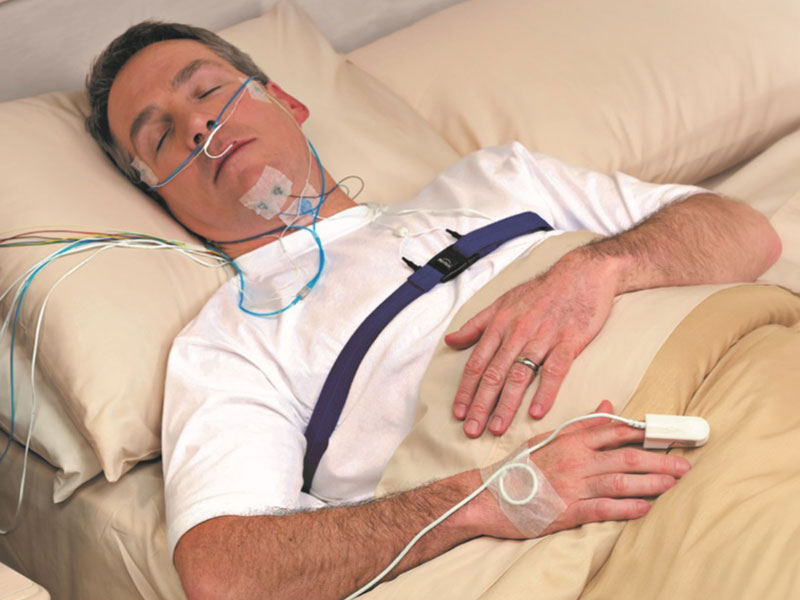
Home tests are commonly used when there is a strong suspicion of obstructive sleep apnoea and fewer complicating factors. Many clinics offer a sleep apnoea test Adelaide home setup with sensors to track airflow, breathing effort, oxygen levels, and heart rate.
What happens during a home sleep apnoea test?
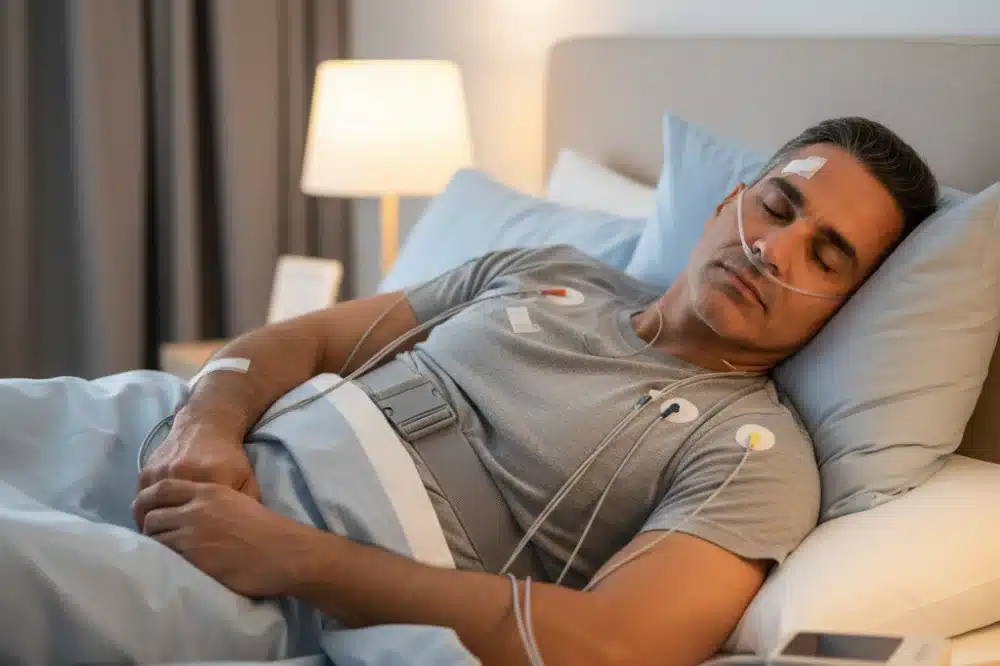
They take home a small device, apply sensors before bed, and sleep in their own environment. The goal is to capture typical breathing patterns rather than a “best night”.
The next day, they return the device, and a clinician analyses the data. If results are clear, a sleep apnoea test Adelaide home study can be enough to diagnose obstructive sleep apnoea and guide treatment.
What happens during an in-clinic sleep study in Adelaide?
They sleep overnight in a monitored room while sensors record brain waves, breathing, oxygen, limb movements, and more. This helps differentiate obstructive sleep apnoea from other issues like periodic limb movements or certain central breathing problems.
In-lab testing is also useful when home tests are inconclusive. For some patients, a sleep apnoea test Adelaide in-lab study is the quickest route to a confident diagnosis.
Do they need a GP referral in South Australia?
Often, yes, especially if they want Medicare-rebated specialist care or need access to certain services. A GP can assess symptoms, review medications, and consider other causes such as thyroid problems or anaemia.
They can also direct them to a sleep physician, ENT, or respiratory specialist when appropriate. For many, the first step to a sleep apnea test Adelaide booking is a short GP appointment with symptom notes and partner observations.
How much does a sleep apnea test cost in Adelaide?
Costs vary depending on whether testing is done at home or in a lab, and whether it is billed privately or through a hospital setting. Some providers offer packaged pricing that includes interpretation and a follow-up appointment.
They should ask what is included: device hire, scoring, specialist review, and whether a CPAP trial is offered later. When comparing options, it helps to ask for an itemised quote for a sleep apnea test Adelaide service.
How accurate are home sleep tests compared with lab studies?
Home tests are generally accurate for moderate to severe obstructive sleep apnoea in people with clear symptoms. They can be less reliable for mild cases, complex breathing disorders, or when insomnia and fragmented sleep affect the recording.
If symptoms remain strong but the home result is “negative” or unclear, a lab study may be recommended. In practice, many people start with a sleep apnea test Adelaide at home and escalate only if needed.
What results should they expect from a sleep study?
Most reports include an Apnoea-Hypopnoea Index (AHI), oxygen desaturation measures, and sometimes positional or REM-related patterns. These numbers help classify severity and guide treatment options.
They should also expect plain-language explanations. A good sleep apnea test Adelaide provider will link results back to symptoms, lifestyle factors, and realistic next steps rather than only quoting an index.
What happens after a positive diagnosis?
Treatment depends on severity, anatomy, and preference. CPAP is common and highly effective when used consistently, but it is not the only option.
Some may benefit from weight management, reduced alcohol intake, positional therapy, nasal treatment, or a mandibular advancement device fitted by a trained dentist. A sleep apnea test Adelaide result should lead to a tailored plan, not a one-size-fits-all script.
What if the test is negative but symptoms continue?
A negative result does not always end the story. The test may not have captured a typical night, or another sleep disorder may be present, such as insomnia, circadian rhythm issues, restless legs, or narcolepsy.
They should take results back to their GP or sleep physician and ask what the next step is. Sometimes the answer is repeating the sleep apnea test Adelaide assessment with a different method or adding broader sleep evaluation.
How can they prepare to get the most useful results?
They should aim for a typical day and night rather than “trying to sleep perfectly”. That means keeping usual caffeine and exercise routines, unless their clinician says otherwise.
They should also note alcohol intake, nasal congestion, and sleep position, since these can affect breathing events. Writing down symptoms before the sleep apnea test Adelaide appointment helps ensure the clinician interprets the results in context.
What are the risks of leaving sleep apnoea untreated?
Untreated sleep apnoea is linked with higher blood pressure, increased risk of heart rhythm problems, and poorer glucose control. It also increases daytime sleepiness, which can raise workplace and road safety risks.
Quality of life often declines quietly, with motivation, memory, and mood taking the hit. That is why acting on symptoms early and booking a sleep apnoea test Adelaide assessment can be a practical health decision, not just a sleep decision.
When should they seek urgent advice?
If they are falling asleep while driving, having near-misses, or experiencing severe daytime sleepiness, they should seek medical advice promptly. Anyone with chest pain, fainting, or signs of stroke should call emergency services.
For non-emergency but worrying symptoms, a GP can fast-track appropriate testing. In many cases, a timely sleep apnoea test Adelaide booking can prevent months of risk and uncertainty.
What is the simplest next step for someone in Adelaide?
They should start by listing symptoms, noting how long they have been happening, and asking a partner about snoring and breathing pauses. Then they can book a GP visit to discuss risk factors and the most suitable test type.
With the right pathway, they can move from guesswork to answers quickly. For many South Australians, that means arranging a sleep apnoea test Adelaide option that fits their situation and finally getting restorative sleep back on track.
More to Read : sleep study Melbourne cost and private vs public options
FAQs (Frequently Asked Questions)
What is sleep apnea and why is it important to diagnose it?
Sleep apnea is a condition where breathing repeatedly slows or stops during sleep, leading to poor oxygen levels and fragmented sleep. It matters because it can affect mood, energy, safety, and long-term health, making diagnosis crucial for effective treatment.
What are the key symptoms of sleep apnea that should not be ignored?
Key symptoms include loud, frequent snoring paired with pauses in breathing, choking or gasping during sleep, waking with a dry mouth or headaches, restless sleep, frequent urination at night, daytime exhaustion, difficulty focusing, and unusual irritability despite adequate rest.
How can I tell if my snoring indicates sleep apnea or is just normal snoring?
Snoring alone doesn’t always mean sleep apnea. However, if your snoring is loud, occurs most nights, is linked with breathing pauses, and causes daytime effects like feeling unrefreshed or excessive sleepiness, it may indicate disrupted breathing requiring further evaluation.
Who in Adelaide is at higher risk of developing sleep apnea?
Higher risk factors include being overweight, having a larger neck circumference, nasal congestion, certain jaw or throat anatomy, alcohol use in the evening, smoking, sedating medications, increasing age, and family history. Sleep apnea can also occur in people who are not overweight.
When should someone consider getting a sleep apnea test in Adelaide?
Consider testing if symptoms like loud snoring and witnessed breathing pauses occur most weeks or if daytime sleepiness affects driving, work performance, or mental health. People with high blood pressure, atrial fibrillation, type 2 diabetes, or reflux should also consider testing. Consulting a GP can help determine the need for testing.
What does a sleep apnea test involve and how does it help?
A sleep apnea test records breathing and sleep-related signals such as airflow, breathing effort, oxygen levels, heart rate, and body position to measure breathing disruptions during sleep. Many tests can be done at home using portable equipment. Results determine the severity of sleep apnea and guide effective treatment plans.