
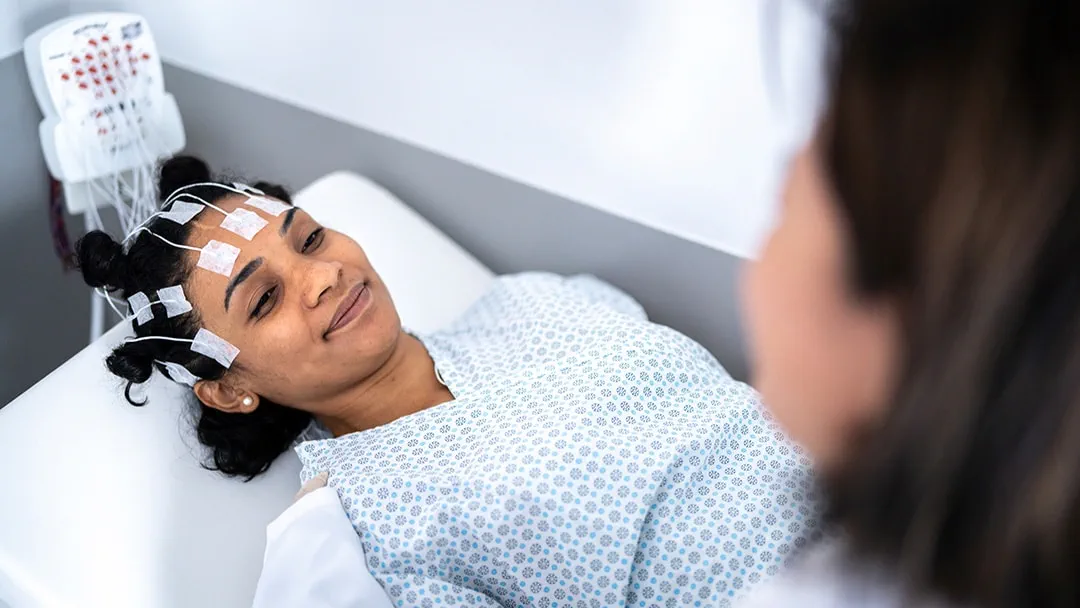
What does a sleep study actually test?
A sleep study measures breathing, oxygen levels, heart rate, sleep stages, and movement to spot conditions like obstructive sleep apnoea. Most people are referred because a GP suspects apnoea, but studies can also investigate insomnia, restless legs, and other sleep-related breathing disorders.
The test can be done at home or in a sleep lab, depending on symptoms and clinical risk, and many patients research sleep study Melbourne Cost before deciding which testing option best suits their needs.
How much does a sleep study cost in Melbourne?
In Melbourne, the out-of-pocket cost varies widely based on the type of test and whether Medicare or private health insurance applies. As a rough guide, home sleep tests are often cheaper than in-lab studies, while comprehensive overnight lab studies typically cost more due to staffing and equipment.
Many clinics advertise “bulk billed” or “low-gap” options for eligible patients, but others charge a full private fee upfront. The only reliable way to know cost is for them to ask for a written quote that lists the test type, what is included, and any follow-up charges.
What factors make the price higher or lower?
The biggest cost driver is the test type. Home studies usually monitor fewer channels than an in-lab polysomnography, which records more detailed data and is supervised overnight.
Price also changes based on who scores the study, whether a sleep physician reviews it, how quickly results are delivered, and whether consults are bundled. Some providers quote only for the test, then bill separately for interpretation and appointments.
Can Medicare reduce the cost of a private sleep study?
Medicare may reduce costs when the referral and test meet specific requirements, but it does not automatically make every private study free. A GP referral is usually required, and the clinic needs to bill under the appropriate Medicare item rules.
They should confirm in advance what Medicare covers, what the clinic bills, and what the patient pays. If a provider cannot explain the expected gap clearly, it is a sign to pause and compare options.
Does private health insurance cover sleep studies in Melbourne?
Private health insurance can help with in-hospital sleep studies if the patient’s policy includes the right level of hospital cover and waiting periods are served. However, it may not cover home studies, outpatient clinic fees, or specialist consults in the same way.
They should ask their insurer whether the test is treated as inpatient or outpatient, what excess applies, and whether the sleep lab is an agreed provider. It is also worth asking whether any anaesthetist or facility fees exist, even if they seem unlikely.
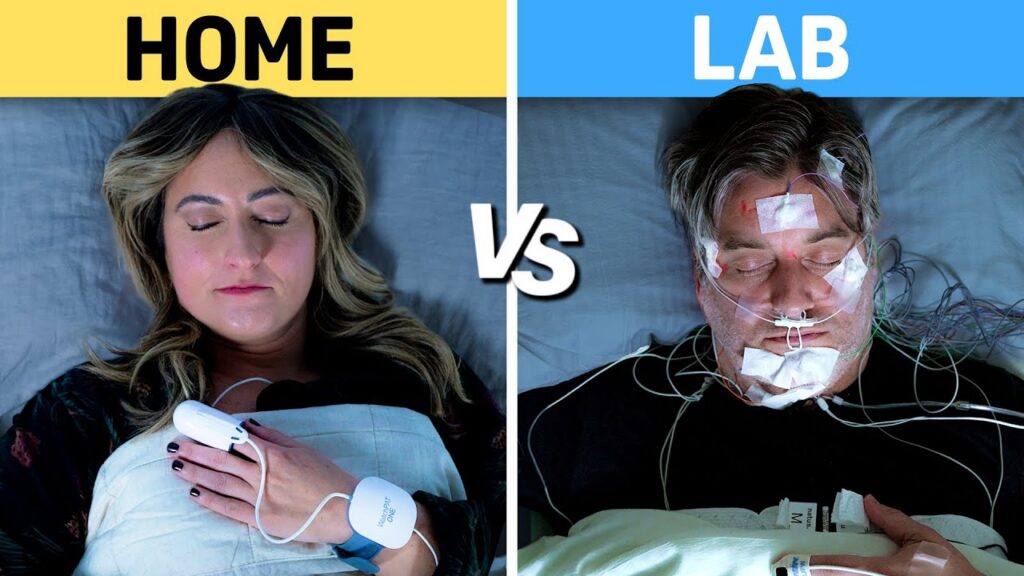
What is the difference between a home sleep test and an in-lab study?
A home sleep test is usually designed to diagnose moderate to severe obstructive sleep apnoea in straightforward cases. It is done in their own bed, with a take-home device that measures breathing and oxygen, and sometimes effort and snoring.
An in-lab study is more comprehensive and is often used when symptoms are complex, the home test is negative but suspicion remains, or there are other conditions to assess. It is supervised and captures a broader set of signals, which can improve diagnostic confidence.
How long are the wait times in public vs private?
Private sleep studies are usually faster to schedule, which is the main reason many people pay. Public pathways can involve longer waits for specialist appointments and testing slots, especially if the case is not urgent.
If someone’s job involves driving, operating machinery, or safety-critical work, speed can matter. The cost question often becomes a time-and-risk question, not just a budget one. Click here to get about sleep apnea test Adelaide: symptoms that shouldn’t Bbe ignored.
What extra costs should they expect beyond the test?
The test itself is rarely the only expense. They may need a sleep physician consult before and after, a CPAP trial, mask fittings, and ongoing reviews if obstructive sleep apnoea is confirmed.
If CPAP is recommended, equipment costs can be significant, and pricing varies by brand and inclusions. They should ask whether the provider is independent, whether they sell devices directly, and whether there are cheaper rental or trial options before purchase.
What red flags suggest a private clinic may not be good value?
A clinic may be poor value if it refuses to provide itemised quotes, pushes a device purchase before results are explained, or makes guarantees about outcomes. Another red flag is a “cheap test” price that excludes the specialist interpretation needed for a diagnosis and treatment plan.
They should also be cautious if the provider cannot explain which test they are getting and why that test is appropriate. Clear reasoning matters as much as cost.
So, is going private for a sleep study in Melbourne worth it?
For many people, private is worth it when speed, convenience, and clarity are the priority, especially if symptoms are severe or safety is a concern. It is less likely to be worth it if they can access a timely public pathway, their symptoms are mild, or costs will create stress that delays follow-through on treatment.
The best approach is simple: they should compare at least two providers, request written quotes, confirm Medicare and insurance details, and ask what happens after the diagnosis. The “real value” is not just the test price, but how quickly and responsibly it gets them to effective treatment.
FAQs (Frequently Asked Questions)
What does a sleep study test in Melbourne?
A sleep study measures breathing, oxygen levels, heart rate, sleep stages, and movement to detect conditions like obstructive sleep apnoea. It can also investigate insomnia, restless legs, and other sleep-related breathing disorders.
How much does a sleep study cost in Melbourne and what affects the price?
Costs vary widely depending on the test type (home vs in-lab), Medicare or private insurance coverage, and additional fees. Home tests are generally cheaper than comprehensive overnight lab studies. Factors like who scores the study, physician reviews, result turnaround time, and bundled consults also influence the price.
Can Medicare or private health insurance reduce the cost of a sleep study in Melbourne?
Medicare may reduce costs if specific criteria are met and proper billing occurs, but it doesn’t automatically make private studies free. Private health insurance can help with in-hospital studies if the policy covers hospital stays and waiting periods are served; however, it may not cover home tests or outpatient fees fully.

What is the difference between a home sleep test and an in-lab sleep study?
Home sleep tests are designed for straightforward cases of moderate to severe obstructive sleep apnoea and involve take-home devices measuring breathing and oxygen levels. In-lab studies are more comprehensive, supervised overnight tests capturing broader data for complex symptoms or when home tests are inconclusive.
How do public and private wait times for sleep studies in Melbourne compare?
Private sleep studies typically have shorter wait times due to faster scheduling options. Public pathways often involve longer waits for specialist appointments and testing slots unless the case is urgent. Speed can be crucial for individuals in safety-critical jobs.
What extra costs should I expect beyond the initial sleep study test?
Beyond the test cost, expect expenses for pre- and post-test physician consultations, CPAP trials, mask fittings, ongoing reviews if diagnosed with obstructive sleep apnoea, and equipment costs which vary by brand and inclusions. It’s important to inquire about rental or trial options before purchasing devices.