
The key is knowing when symptoms have crossed the line from “normal stress” into something worth checking.
When is it time to consider a sleep test in Canberra?
It is time to consider a sleep test Canberra when sleep problems are frequent, persistent, or affecting safety, health, or daily function. If their sleep issues have lasted weeks to months, or if others notice worrying signs like breathing pauses, a test is often the fastest way to get clarity.
If they are relying on caffeine to stay functional, regularly falling asleep unintentionally, or waking unrefreshed despite “enough” hours in bed, those are strong cues.
What symptoms suggest obstructive sleep apnoea?
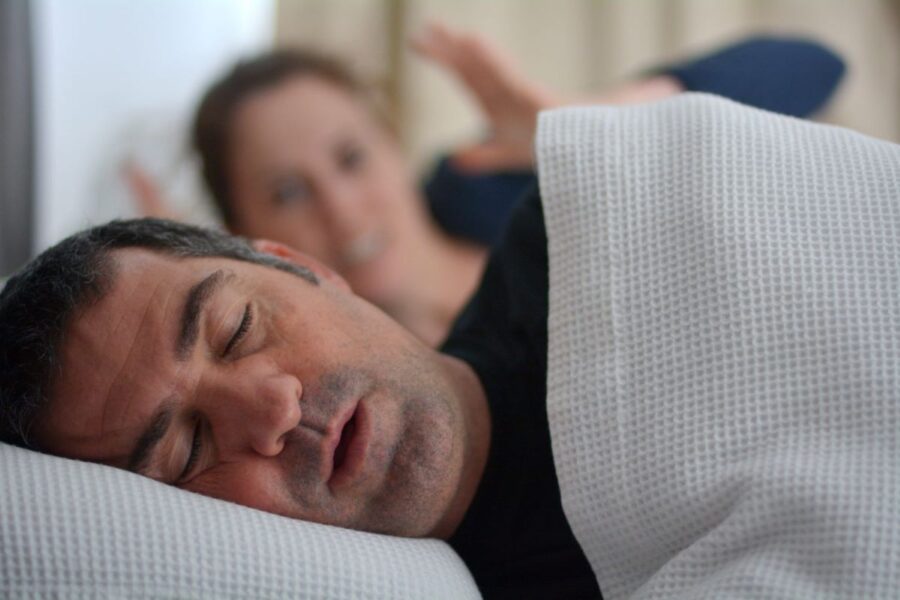
Obstructive sleep apnoea is often flagged by loud snoring, choking or gasping during sleep, and witnessed breathing pauses. Many people with apnoea also wake with a dry mouth, morning headaches, or feel unusually foggy and irritable.
Daytime sleepiness is a major clue. If they struggle to stay awake in meetings, while reading, or as a passenger in a car, apnoea should be ruled out.
What warning signs mean they should get checked sooner rather than later?
They should seek assessment sooner if there are safety risks or significant health impacts. Falling asleep at the wheel, near-misses while driving, or dozing off at work in hazardous settings are urgent red flags.
It is also a higher priority if they have high blood pressure, atrial fibrillation, type 2 diabetes, obesity, or a history of stroke, because untreated sleep apnoea can worsen these conditions.
How can someone tell the difference between tiredness and a sleep disorder?
General tiredness often improves with consistent sleep routines, reduced alcohol, and stress management. A sleep disorder tends to persist even when they “do the right things”, and it often comes with patterns like repeated night waking, breathing disturbances, or extreme sleepiness at predictable times.
If they regularly sleep 7 to 9 hours but still wake exhausted, that mismatch is a common reason clinicians recommend testing.
What types of sleep tests are available in Canberra?
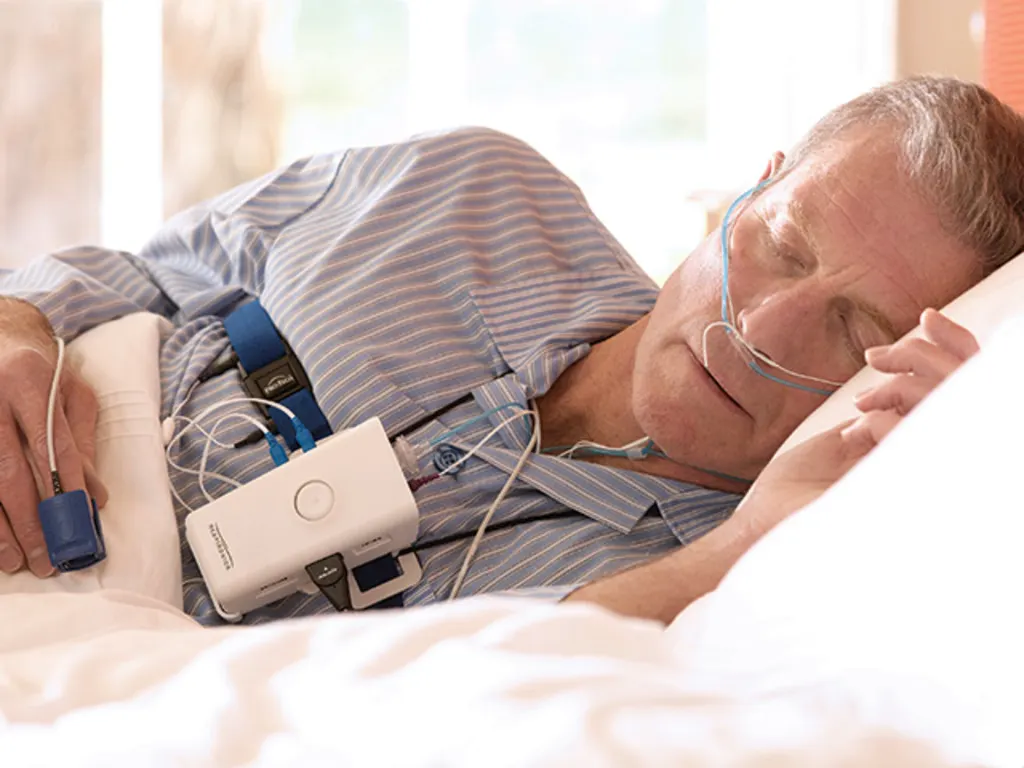
Most people will be offered either a home sleep study or an in-lab sleep study (polysomnography). Home studies are commonly used to investigate suspected obstructive sleep apnoea and are done in their own bed with monitoring equipment.
In-lab studies are more comprehensive. They are typically used when symptoms are complex, when home testing is inconclusive, or when conditions beyond straightforward apnoea are suspected.
How does a home sleep test work, and who is it best for?
A home sleep test usually measures breathing airflow, oxygen levels, heart rate, and breathing effort while they sleep. It is best for people with a strong likelihood of moderate to severe obstructive sleep apnoea and no major complicating medical or neurological issues.
It may be less suitable if they have severe insomnia, significant lung disease, neuromuscular conditions, or symptoms suggesting narcolepsy or unusual night-time behaviours. You may like to visit https://www.health.nsw.gov.au/outpatients/referrals/Pages/sleep-apnoea-paediatric.aspx to get more about sleep disordered breathing.
What happens during an in-lab sleep study?
An in-lab sleep study monitors brain activity, breathing, oxygen levels, heart rhythm, muscle movements, and sometimes carbon dioxide levels. This helps clinicians map sleep stages and identify events such as apnoeas, limb movements, or abnormal behaviours.
It can feel unfamiliar, but the goal is not “perfect sleep”. Even a partial night often provides enough data to guide diagnosis and treatment.
Can they get a sleep test without a GP referral?
This depends on the provider and the type of testing. Many services prefer a GP referral because it helps match the right test to the right symptoms and supports Medicare-eligible pathways where applicable.
If they are unsure, they can contact a local Canberra sleep clinic and ask what is required, what the costs are, and how results are reviewed.
What should they track before booking a sleep assessment?
They should track snoring frequency, witnessed breathing pauses, morning symptoms, and daytime sleepiness. If possible, they can note bedtimes, wake times, alcohol intake, and how often they wake during the night.
If a partner has observations, those are valuable. Short videos of snoring or gasping can also help clinicians understand severity and decide on the most appropriate test.
What happens after the results come back?
After results come back, the next step depends on the diagnosis and severity. If obstructive sleep apnoea is confirmed, treatment options may include CPAP therapy, oral appliances, positional therapy, weight management support, or referral for ENT assessment in selected cases.
If insomnia or another condition is identified, they may be guided towards CBT-I (cognitive behavioural therapy for insomnia), medication review, mental health support, or further specialist assessment. The point of testing is not just a label, but a plan that actually improves sleep and daytime function.
More to Read : Home Sleep Study Hobart: A Simple Alternative to Lab Testing
FAQs (Frequently Asked Questions)
When should someone consider undergoing a sleep test in Canberra?
It is time to consider a sleep test when sleep problems are frequent, persistent, or impacting safety, health, or daily function. Signs include ongoing issues lasting weeks to months, reliance on caffeine to stay awake, regular unintentional sleep episodes, or waking unrefreshed despite sufficient sleep hours.
What are the common symptoms that suggest obstructive sleep apnoea?
Obstructive sleep apnoea is often indicated by loud snoring, choking or gasping during sleep, witnessed breathing pauses, waking with a dry mouth or morning headaches, and experiencing daytime sleepiness such as struggling to stay awake during meetings or as a passenger in a car.
What warning signs indicate the need for urgent sleep assessment?
Urgent assessment is needed if there are safety risks like falling asleep at the wheel or near-misses while driving, dozing off at work in hazardous environments, or if the individual has high blood pressure, atrial fibrillation, type 2 diabetes, obesity, or a history of stroke due to the risk of worsening these conditions with untreated sleep apnoea.
How can one differentiate between general tiredness and a sleep disorder?
General tiredness usually improves with consistent sleep routines and stress management. A sleep disorder persists despite these efforts and often includes repeated night waking, breathing disturbances during sleep, or extreme daytime sleepiness even after 7 to 9 hours of rest.
What types of sleep tests are available in Canberra and who are they suitable for?
In Canberra, home sleep studies and in-lab polysomnography are available. Home tests monitor breathing and oxygen levels and suit those likely to have moderate to severe obstructive sleep apnoea without complex medical issues. In-lab studies are more comprehensive and used for complex symptoms or inconclusive home tests.
What happens after receiving results from a sleep test?
Post-results, treatment depends on diagnosis severity. For obstructive sleep apnoea, options include CPAP therapy, oral appliances, positional therapy, weight management support, or ENT referrals. For insomnia or other conditions, cognitive behavioural therapy for insomnia (CBT-I), medication review, mental health support, or further specialist assessment may be recommended to improve overall sleep quality and daytime function.